
Can Dogs Eat Strawberries? A Nutritional Guide for Pet Parents
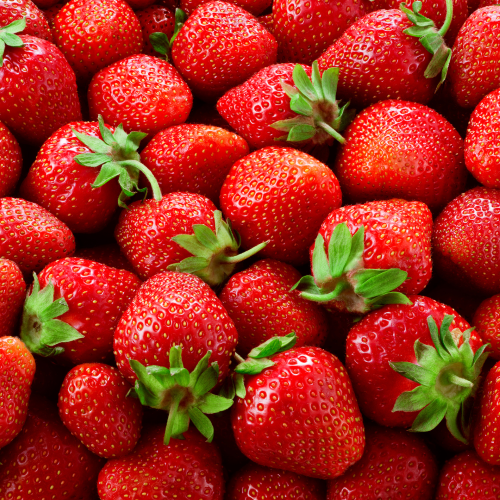
Can dogs eat strawberries? Discover the health benefits, risks, and safe feeding tips for dogs, plus a homemade strawberry dog biscuit recipe from The Canine Dietitian.
Can Dogs Eat Strawberries? The Complete Nutritional Guide
Strawberries are one of summer’s sweetest pleasures — juicy, refreshing, and bursting with antioxidants. But when your dog gazes up at you with those irresistible eyes, the question arises: Can dogs eat strawberries safely?
The short answer: Yes, dogs can eat strawberries in moderation. They’re low in calories, high in fibre and vitamin C, and make a hydrating summer snack. But like any food outside of your dog’s complete and balanced diet, there are both benefits and cautions to consider.
In this comprehensive guide, I’ll walk you through:
✅ The full nutritional profile of strawberries
✅ The top 7 health benefits for dogs
✅ Which dogs should avoid strawberries
✅ Safe feeding guidelines and portion sizes
✅ The role of glycans in strawberries and canine health
✅ A homemade strawberry biscuit recipe your dog will love
✅ FAQs every dog owner asks about strawberries
By the end, you’ll know exactly whether strawberries deserve a spot in your dog’s treat jar.
Nutritional Breakdown of Strawberries
According to the USDA National Nutrient Database (2023), per 100g of raw strawberries:
Calories: 32 kcal
Protein: 0.7g
Fat: 0.3g
Carbohydrates: 7.7g
Fibre: 2g
Sugars: 4.9g
Vitamin C: 59mg (65% DV for humans)
Folate: 24µg
Potassium: 153mg
Polyphenols: Quercetin, ellagic acid, anthocyanins
For dogs, this composition makes strawberries:
Low calorie, nutrient dense
High in antioxidants supporting immune health
Naturally hydrating thanks to 91% water content
But — they also contain natural sugars, which can be problematic in some dogs (more on that later).
7 Proven Health Benefits of Strawberries for Dogs
1. Antioxidant Support
Strawberries are rich in vitamin C, anthocyanins, and ellagic acid — all of which fight oxidative stress. This is particularly beneficial for senior dogs and those with chronic inflammation, arthritis, or degenerative conditions.
2. Natural Fibre Boost
At 2g of fibre per 100g, strawberries help support digestion, regulate bowel movements, and encourage healthy gut microbiota. For dogs prone to constipation, fibre-rich fruits like strawberries can be useful in small amounts.
3. Weight-Friendly Treat
With only 32 kcal per 100g, strawberries are a great low-calorie alternative to processed dog treats. For dogs on a weight loss plan, they offer flavour without calorie overload.
4. Immune Support
Vitamin C plays a role in immune function, collagen synthesis, and wound healing. While dogs can produce vitamin C naturally, dietary sources may provide additional support during illness, stress, or ageing.
5. Hydration Helper
On hot summer days, frozen strawberries (or strawberry purée spread on a lick mat) can provide hydration and enrichment. Their high water content makes them especially refreshing.
6. Natural Teeth Brightener
Malic acid, found in strawberries, may help dissolve surface stains on teeth. While not a replacement for dental care, it’s a bonus for oral freshness.
7. Anti-Inflammatory Compounds
Polyphenols like quercetin and kaempferol are linked to reduced inflammation. A 2019 study in Frontiers in Nutrition found that strawberry phytochemicals can influence cellular signalling pathways associated with inflammation.
When Strawberries Aren’t a Good Idea
While most healthy adult dogs can enjoy strawberries, some need to avoid or limit them:
Dogs with Hypothyroidism
Strawberries contain goitrogens, compounds that may interfere with iodine uptake. For dogs with hypothyroidism or on levothyroxine, it’s best to limit intake and never feed alongside medication (wait at least 2–3 hours).
Dogs with Diabetes
Although lower in sugar than many fruits, strawberries can still spike blood glucose levels. Diabetic dogs require careful monitoring and tailored treat plans.
Dogs with Pancreatitis
Even though strawberries are low in fat, the natural sugars can still contribute to digestive upset when combined with other foods. For dogs with a history of pancreatitis, proceed with caution.
Dogs with Sensitive Stomachs
Some dogs simply don’t tolerate strawberries well, leading to gas, bloating, or diarrhoea. Always start with a very small portion and monitor.
How Much Strawberry Can a Dog Eat?
Treats — including strawberries — should make up no more than 10% of your dog’s daily calorie intake.
👉 As a guide:
1 medium strawberry (~6g) = 2 kcal
Safe portion = 1 medium strawberry per 5kg body weight, assuming no other extras.
Always adjust based on your dog’s size, health, and daily diet.
Glycans in Strawberries and Their Role in Canine Health
One of the lesser-known nutritional aspects of strawberries is their glycan content. Glycans are carbohydrate-based molecules essential for cell communication, immune regulation, and inflammation control.
Research highlight: A 2018 study by Males et al. in the Journal of Nutritional Biochemistry explored glycans’ role in immune signalling across mammals.
Potential for dogs: Early findings suggest dietary glycans may support gut health, enhance immune recognition, and reduce inflammation.
However, dog-specific studies are limited — so while promising, we should treat glycans as a bonus, not a guaranteed therapy.
Safe Ways to Feed Strawberries to Dogs
✅ Wash thoroughly to remove pesticides
✅ Remove stems and leaves (fibrous, hard to digest)
✅ Cut into bite-sized pieces for safety
✅ Serve raw, mashed, puréed, or frozen
✅ Incorporate into recipes like biscuits or smoothies
⚠️ Avoid chocolate-covered or sugar-coated strawberries — these are toxic or harmful.
Homemade Strawberry & Oat Dog Biscuits
A simple summer recipe from The Canine Dietitian kitchen:
Ingredients (makes ~20 biscuits):
1 cup (100g) oat flour
½ cup (50g) rolled oats
½ cup (75g) fresh chopped strawberries
1 egg
1 tbsp (15ml) melted coconut oil
1 tsp chia seeds (optional)
Method:
Preheat oven to 175°C (350°F).
Mash strawberries until pulpy.
Mix in egg and coconut oil.
Stir through oat flour, oats, and chia seeds.
Roll out and cut into shapes.
Bake 20–25 minutes until golden.
Cool fully, store in airtight jar (up to 1 week).
💡 Nutrition tip: Vitamin C is heat-sensitive — feed raw strawberries too for maximum antioxidant benefits.
FAQs About Strawberries & Dogs
Q: Can dogs eat strawberry yoghurt?
Only if it’s plain, unsweetened Greek yoghurt. Avoid flavoured versions with added sugar or xylitol (toxic).
Q: Can puppies eat strawberries?
Yes, in tiny amounts. Introduce gradually and monitor for upset stomach.
Q: Can dogs eat strawberry jam?
No — jam is loaded with added sugar and sometimes artificial sweeteners.
Q: Are dried strawberries safe?
Only if plain and unsweetened, but they’re calorie-dense — best avoided for weight management.
Q: Can dogs eat wild strawberries?
Yes, wild strawberries are safe. Just ensure they haven’t been sprayed with chemicals.
Final Verdict: Are Strawberries Good for Dogs?
Yes — strawberries are safe, healthy, and hydrating for most dogs when fed in moderation. They’re packed with antioxidants, fibre, and phytonutrients that support overall health.
But — they’re not for every dog. Those with thyroid issues, diabetes, pancreatitis, or sensitive stomachs should avoid or strictly limit them.
As with any treat, moderation is key. Factor strawberries into your dog’s daily calorie allowance and treat them as a bonus, not a staple.
Want Expert Help with Your Dog’s Nutrition?
If you’re unsure whether strawberries — or any treat — fit into your dog’s diet, you don’t have to guess.
References
USDA National Nutrient Database. (2023). Strawberries, raw.
Males J, Cowley CJ, Gill HS. (2018). The role of dietary glycans in animal health. Journal of Nutritional Biochemistry, 56, 1–12.
Scalone L, et al. (2019). Phytochemicals in strawberries: effects on inflammation and cellular signalling. Frontiers in Nutrition, 6, 120.
PetMD. Fruits Dogs Can and Can’t Eat. Reviewed by Dr. Jennifer Coates.
National Research Council (NRC). Nutrient Requirements of Dogs and Cats. (2006).
