
Can Dogs Eat Sweet Potato? Benefits, Fibre, Risks & How Much Is
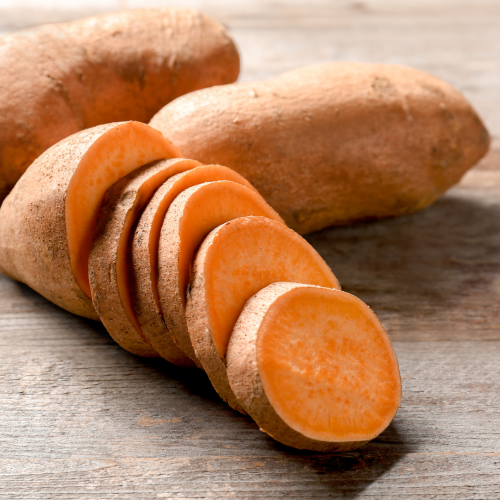
Sweet potato is often praised as a “superfood” for dogs. It appears in countless commercial dog foods, home-cooked diets, raw feeding plans, and dog treat recipes. But as with most nutrition trends, the reality is more nuanced than marketing suggests.
So, can dogs eat sweet potato safely?
Yes — but how it’s prepared, how much is fed, and which dogs you feed it to all matter.
In this article, we’ll cover:
Whether sweet potato is actually good for dogs
The fibre content and why it matters
How much sweet potato is too much
Dogs that should avoid or limit it
Common mistakes dog owners make
A simple, dog-friendly sweet potato recipe
What Is Sweet Potato?
Sweet potato (Ipomoea batatas) is a starchy root vegetable, not a regular potato despite the name. It belongs to the morning glory family and has a very different nutritional profile to white potatoes.
Sweet potatoes naturally contain:
Complex carbohydrates
Dietary fibre
Beta-carotene (a vitamin A precursor)
Potassium
Vitamin C
Vitamin B6
This nutrient profile explains why sweet potato is commonly used in dog foods, especially “grain-free” and limited-ingredient diets.
Can Dogs Eat Sweet Potato Safely?
Yes — when cooked and fed in moderation.
Sweet potato itself is not toxic to dogs. Problems arise when it is fed incorrectly, in excessive amounts, or used as a major component of the diet without balance.
Sweet Potato Is Safe When:
Fully cooked
Plain (no butter, oil, salt, garlic, or seasoning)
Fed in moderation
Used as part of a complete and balanced diet
Sweet Potato Is Not Safe When:
Fed raw
Fried or seasoned
Used as a main calorie source
Fed in large quantities to dogs with certain health conditions
Nutritional Benefits of Sweet Potato for Dogs
Dietary Fibre
Sweet potato contains both soluble and insoluble fibre:
Soluble fibre helps support gut bacteria and stool consistency
Insoluble fibre adds bulk and promotes gut motility
This can be helpful in small amounts but problematic in excess.
Gut Health Support (In the Right Dogs)
Small portions of sweet potato may:
Help firm up loose stools
Support beneficial gut bacteria
Increase satiety during weight management
However, excess fibre can:
Reduce nutrient absorption
Cause gas, bloating, and diarrhoea
Worsen symptoms in dogs with sensitive digestion
More fibre is not always better.
Beta-Carotene (Vitamin A Precursor)
Sweet potato is rich in beta-carotene, which dogs convert into vitamin A. Vitamin A supports:
Immune function
Vision
Skin and coat health
However, excessive vitamin A intake over time can be problematic, particularly when dogs are already eating fortified commercial foods.
Sweet Potato Fibre: Why Amount Matters
Fibre is one of the most misunderstood aspects of canine nutrition.
Correctly used fibre can:
Support stool quality
Help manage hunger in weight-loss plans
Improve gut health
Too much fibre can:
Interfere with protein and fat absorption
Increase stool volume excessively
Trigger digestive upset
Sweet potato is often added with good intentions but poor portion control.
How Much Sweet Potato Is Too Much for Dogs?
Sweet potato should make up no more than 5–10% of daily calories when used as a topper or treat.
Approximate daily cooked amounts:
Small dogs (under 10kg): 10–25g
Medium dogs (10–25kg): 25–50g
Large dogs (25kg+): 50–75g
These are daily totals, not per meal.
Feeding large scoops, chunks, or half a sweet potato regularly is a common cause of diet-related diarrhoea.
Can Puppies Eat Sweet Potato?
Yes, but only in very small amounts.
Puppies have higher nutritional requirements for growth, and excess fibre or carbohydrate can reduce nutrient absorption. Sweet potato should never replace protein or fat calories in a puppy’s diet and should only be included if the overall diet is properly balanced.
Dogs Who Should Limit or Avoid Sweet Potato
Sweet potato is not appropriate for every dog.
Extra caution is needed in dogs with:
Diabetes (due to carbohydrate content)
Inflammatory bowel disease
Chronic gastrointestinal issues
History of pancreatitis
Certain urinary stones
Weight management struggles
“Natural” does not mean risk-free.
Sweet Potato vs Rice for Dogs
Neither ingredient is inherently better.
Sweet potato:
Higher fibre
Lower glycaemic load
Can aggravate sensitive digestion
Rice:
Lower fibre
Highly digestible
Often better tolerated during gut upset
Sweet potato is not a universal substitute for grains.
Common Sweet Potato Feeding Mistakes
Feeding too much
Using it daily without balancing the diet
Assuming it resolves diarrhoea for all dogs
Replacing protein calories with carbohydrate
Combining multiple high-fibre ingredients
Not accounting for calories from sweet potato chews or treats
Even healthy foods can cause problems when overused.
How to Prepare Sweet Potato for Dogs
Best Methods
Boiled
Steamed
Plain oven-baked
Avoid
Raw sweet potato
Fried sweet potato
Seasonings, oils, salt, garlic, or butter
Large amounts of skin in sensitive dogs
Dog-Friendly Sweet Potato Recipe
Simple Sweet Potato & Chicken Fibre Topper
Suitable for:
Healthy adult dogs without known digestive disease
Not a complete meal replacement
Ingredients
200g sweet potato (peeled, raw weight)
150g skinless chicken breast
Water for boiling
Method
Peel and dice the sweet potato
Boil until soft with no added seasoning
Boil or poach the chicken until fully cooked
Mash or finely chop both
Cool completely before feeding
Feeding Amounts
Small dogs: 1–2 teaspoons
Medium dogs: 1–2 tablespoons
Large dogs: 2–3 tablespoons
Feed up to 2–3 times per week.
Storage
Refrigerate for up to 3 days
Freeze in small portions for up to 2 months
Can Dogs Eat Sweet Potato Every Day?
They can, but it is rarely nutritionally ideal.
Daily feeding increases fibre and carbohydrate intake and may displace essential nutrients. Rotation and variety are healthier options for most dogs.
Sweet Potato in Commercial Dog Food
Sweet potato is commonly used because it:
Improves palatability
Supports “natural” marketing claims
Adds carbohydrate bulk
However, high inclusion rates can:
Increase total carbohydrate content
Contribute to soft stools
Mask poor overall formulation
Ingredients alone do not determine diet quality.
Final Thoughts: Should Dogs Eat Sweet Potato?
Sweet potato can be:
Nutritious
Safe
Useful in moderation
But it is not essential, not magical, and not suitable for every dog.
The key takeaway is simple:
Sweet potato should support a balanced diet — not dominate it.
If you’re unsure whether sweet potato is suitable for your dog or how much to feed safely, personalised advice matters. Check out or FREE Diet Assessment here
