
5 Christmas Safety Tips for Dogs: Food Hazards, Stress, First Aid & Holiday Risks
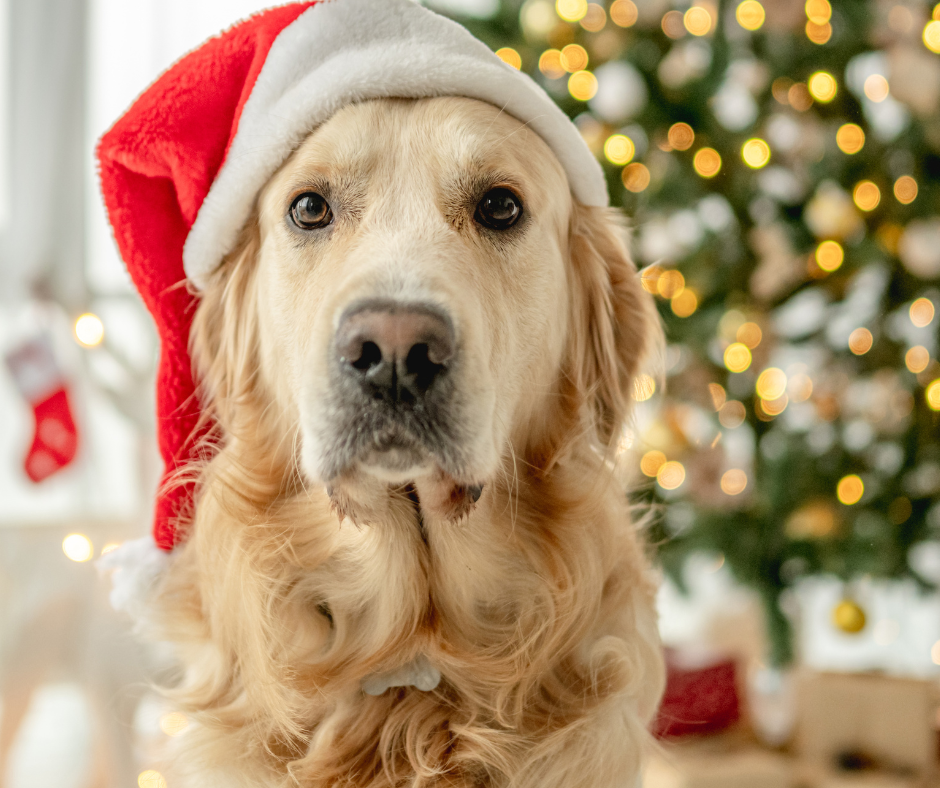
5 Christmas Safety Tips for Dogs: Keep Your Dog Safe, Calm & Healthy Over the Festive Season
Christmas is one of the most magical times of the year — warm lights, indulgent foods, cosy nights in, and family gatherings. But while we’re soaking up the festivities, it’s easy to overlook how overwhelming, overstimulating, and even dangerous this season can be for our dogs.
From toxic Christmas foods and increased stress levels to choking hazards and first-aid mistakes, December is one of the most common months for emergency vet visits in the UK. As The Canine Dietitian, my job is not only to help owners feed their dogs well — it’s to help you keep them safe, healthy, and calm in every season. And Christmas is a big one.
Whether you’ve got a foodie Labrador who hoovers everything in sight, a nervous rescue who panics around visitors, or a puppy who thinks fairy lights are a chew toy, this guide will help you navigate the festive season with confidence.
Below are 5 essential Christmas safety tips that every dog owner should know — including food risks, stress reduction strategies, first-aid advice, and environmental hazards.
1. Watch Out for Toxic Christmas Foods (and the Hidden Ingredients That Catch Owners Out)
Food is the heart of Christmas — but it’s also one of the biggest dangers for dogs. Many festive foods contain ingredients that are toxic, irritating or unsafe.
Here’s what you need to keep away from curious noses this season:
Grapes, Raisins & Mince Pies
These top the list. Even a single raisin can be enough to cause kidney failure in some dogs. Toxicity is unpredictable, individual, and extremely serious.
Common Christmas foods containing raisins/grapes:
Mince pies
Christmas cake
Stollen
Panettone
Fruit loaf
Bread pudding
Stuffing mixes
If your dog ingests raisins: This is an immediate veterinary emergency — call your vet or an emergency line straight away.
Chocolate (All Types)
Chocolate toxicity spikes at Christmas. Even a wrapped chocolate under the tree can be sniffed out and eaten.
Why it’s dangerous: Chocolate contains theobromine, a stimulant dogs can’t metabolise efficiently.
Higher risk:
Dark chocolate
Cocoa powder
Bourneville
Luxury Christmas truffles
Symptoms to watch for:
Vomiting, restlessness, tremors, high temperature, rapid breathing.
Onions, Garlic & Stuffing
Most Christmas dinners include these, and they are toxic to dogs — even in cooked form.
They can damage red blood cells and cause anaemia over several days.
Be careful with:
Stuffing
Gravy
Leftovers
Turkey skin seasoned with onion/garlic salt
Onion gravy granules
Xylitol (in sugar-free sweets and gifts)
Xylitol causes a dangerous drop in blood sugar and can cause liver failure.
Found in:
Sugar-free chocolates
Chewing gum
Some peanut butters
Sugar-free syrups or jams in gift hampers
Turkey Bones (Cooked)
Never feed cooked bones. They can splinter, perforate the gut, cause choking, or create blockages.
Raw, bone-in diets are not recommended for Christmas leftovers either — especially for dogs with GERD, pancreatitis, or digestive issues.
Fatty Foods & Pancreatitis Risk
Christmas is the worst time of the year for pancreatitis in dogs.
High-fat foods that commonly trigger it:
Sausages
Pigs in blankets
Goose fat
Turkey skin
Gravy
Roast potatoes cooked in fat
Stuffing balls
Even a single fatty treat can trigger a flare in sensitive dogs.
Signs of pancreatitis:
Vomiting, diarrhoea, praying position, belly pain, lethargy, refusal to eat.
Safe Christmas Foods Your Dog Can Enjoy
Yes, your dog can still have festive treats! Choose dog-safe options such as:
Small pieces of plain turkey breast
Plain cooked potato
Cooked vegetables (carrot, parsnip, green beans)
A small amount of dog-safe gravy (low fat, no onion/garlic)
A dog-friendly Christmas recipe from my website
(Tip: Mix these into their normal food rather than giving large portions.)
2. Manage Your Dog’s Stress: Christmas Is Overstimulating — Even For Well-Adjusted Dogs
Christmas is noisy, chaotic, and full of routine changes — and dogs struggle more than people realise. Even confident dogs can become overwhelmed.
Here are Christmas-specific stress triggers:
Visitors coming in and out
Changes to routine
Loud noises
Overhandling
Smells, lights and moving objects
How to Reduce Christmas Stress for Your Dog
Create a Safe Space
Set up a quiet, cosy den away from the main festivities:
A crate covered with a blanket
A quiet bedroom with dim lighting
A snuffle mat or lick mat
A water bowl
A comfy bed
Make sure visitors know not to disturb them.
Use Pre-Emptive Calm Tools
Lick mats
Kong toys
Long-lasting natural chews (low fat if pancreatitis risk)
Snuffle boxes
Calming music for dogs
Pheromone diffusers (Adaptil)
Maintain a Predictable Routine
Try to keep:
Walk times
Mealtimes
Toilet breaks
Rest breaks
as normal as possible. Predictability reduces anxiety.
Educate Visitors About Your Dog’s Body Language
Politely explain:
“If the dog goes to bed, please let them rest.
If they move away from you, that means they don’t want to be touched.”
This avoids forced interactions, one of the top causes of Christmas dog bites in the UK.
Assign a 'Dog Guardian' on Christmas Day
One person responsible for:
Toileting
Supervision
Preventing food theft
Watching children’s behaviour
Managing interactions
This massively reduces stress for both you and your dog.
3. Pet-Proof Your Home: Decorations, Trees, Presents & Hidden Hazards
Christmas decorations make the house beautiful — but they bring unique risks for dogs, especially puppies.
The Christmas Tree
Dogs may:
Knock it over
Chew branches
Swallow pine needles
Drink stagnant tree water (irritant)
Eat tinsel or baubles
Safety tips:
Secure the tree with a wall tie or bungee cord
Use a pet gate if needed
Avoid edible decorations (popcorn garlands, chocolate ornaments)
Hide wires for fairy lights
Tinsel, Ribbon & Wrapping Paper
Tinsel can cause linear foreign bodies (very serious). Ribbon can wrap around the intestines.
Dispose of wrapping immediately and keep ribbons out of reach.
Candles & Wax Melt Burners
Dogs can burn themselves or knock candles over.
Choose battery-powered LED candles as a safer option.
Gift Bags & Toys
Dogs can swallow:
Small toys
Batteries
Desiccant sachets
Packaging foam
Plastic wrapping
Keep gifts in a closed room until you’re ready to open them.
4. First Aid Essentials Every Dog Owner Should Know at Christmas
Vet emergencies spike between 23rd December and 2nd January. Many clinics have reduced hours, meaning treatment delays.
Here’s what you need to be prepared for:
Know When to Call a Vet Immediately
Urgent Christmas emergencies include:
Eating raisins or chocolate
Vomiting repeatedly
Signs of pancreatitis
Collapsing
Breathing difficulties
Bloat (swollen abdomen, retching, pacing)
Electric shock from chewing lights
Inability to pass faeces
Bloody diarrhoea
Do not “wait and see” over Christmas — early treatment saves lives.
Create a Dog First Aid Kit For December
Include:
Veterinary phone numbers (local & emergency)
Hydrogen peroxide 3% (ONLY if your vet instructs you to induce vomiting)
Bandages
Antiseptic wipes or spray
Tick remover
Blunt-end scissors
Sterile saline
Non-adhesive dressings
Digital thermometer
A blanket
Slip lead
Know Basic First Aid Steps For Common Accidents
If your dog eats chocolate or raisins:
Call the vet immediately.
Keep packaging for toxicity calculation.
If your dog cuts their paw on broken ornaments:
Apply pressure to stop bleeding
Clean gently with saline
Bandage loosely
Contact a vet for assessment
5. Prevent Overexcitement & Guest-Related Accidents
Many Christmas dog injuries aren't food-related — they're behaviour-related.
Common December accidents include:
Dogs being stepped on
Doors left open leading to escaped dogs
Dogs knocked over by excited children
Overhandling leading to bites
Dogs slipping on floors while running
Visitors feeding unsafe foods
Here’s how to manage it:
Supervise Children At All Times
Children are unpredictable and may:
Grab
Hug
Pull tails
Offer unsafe foods
Run around the dog
Assign an adult to supervise.
Use Baby Gates Wisely
They help:
Separate nervous dogs from chaos
Keep dogs out of the kitchen
Prevent door-dashing when guests arrive
Bonus Tip: Consider Christmas from Your Dog’s Point of View
(…Because it’s probably not what you think)
Here’s the truth:
Most dogs don’t enjoy Christmas the way we imagine.
They don’t want crowds, noise, excitement, or busy rooms.
They want:
Routine
Calm
Predictability
Safety
Space
Sleep
Gentle enrichment
When you give them those things, you’re giving them the best Christmas gift possible.
Final Thoughts: A Safe, Calm, Happy Christmas Is the Best Present You Can Give Your Dog
Dogs rely on us to keep them safe — and Christmas is full of unique risks that can be easily prevented with a little planning, knowledge, and awareness.
By following these 5 essential safety tips:
Avoid toxic foods and hidden Christmas ingredients
Manage stress and overstimulation
Pet-proof your home and decorations
Be first-aid prepared for holiday emergencies
Prevent guest-related accidents and overexcitement
…you’re not only protecting your dog’s physical health — you’re supporting their emotional wellbeing, too.
If you want even more support during the holidays, I’ve created:
🎄 My Free Christmas Dog Treat Recipe E-Book
And if you’d like personalised feeding advice for December or help managing health conditions like pancreatitis, allergies, or sensitive digestion, you can book a consultation anytime at:
www.thecaninedietitian.co.uk/consultations
Wishing you and your dog a safe, calm, and magical Christmas.
