
Does Your Dog Need a Coat? Essential Guide for Pet Owners
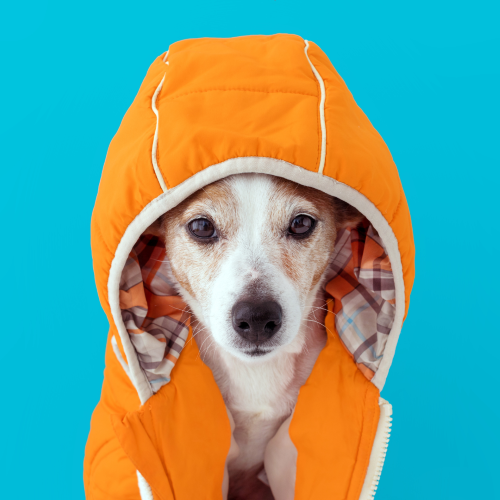
Does your dog need a coat in winter? Learn which breeds benefit from jackets, which don’t, how to spot overheating, and tips for choosing the right dog coat.
Introduction
As the cold weather sets in, many dog owners face a familiar question: does my dog need a coat in winter? Walk down any high street or scroll through social media, and you’ll see dogs dressed in everything from waterproof jackets to chunky knitted jumpers. For some dogs, extra layers are a genuine necessity. For others, coats are not just unnecessary but may actually put them at risk of overheating.
This comprehensive guide will walk you through when dogs benefit from a coat, when they don’t, how dogs naturally regulate their body temperature, how to choose the right jacket, and the warning signs of overheating. By the end, you’ll feel confident knowing whether your dog needs extra protection or is better off coat-free this winter.
Why Some Dogs Benefit from Wearing a Coat
Not all dogs are built to withstand cold, wet, or windy conditions. While their ancestors adapted to different climates, modern selective breeding, indoor lifestyles, and health issues mean many dogs now struggle to cope with extreme weather. Here are the main groups that often need help from a coat:
1. Dogs with Thin or Short Coats
Breeds such as Greyhounds, Whippets, Chihuahuas, and Dachshunds lack the dense fur needed to insulate them against low temperatures. Their skin sits close to their bone and muscle with very little fat padding. For these dogs, a well-fitted coat is not a fashion statement—it’s a health essential.
2. Small and Toy Breeds
Smaller dogs have less body mass and fat reserves, making it harder for them to conserve heat. A Yorkshire Terrier or Italian Greyhound may shiver within minutes of stepping outside on a frosty morning. A coat helps them maintain warmth so that they can enjoy their walk safely.
3. Senior Dogs
Older dogs often feel the cold more acutely. Arthritis and other joint conditions can flare up in cold, damp weather, making movement stiff and painful. A warm coat helps maintain muscle flexibility and reduces discomfort. Many owners report their senior dogs walk more comfortably when kept warm.
4. Puppies
Just like human babies, puppies lack the ability to regulate body temperature efficiently. Their fur is often thinner, and their fat reserves are still developing. A coat can be especially important during toilet training or winter walks.
5. Dogs with Health Conditions
Dogs with conditions such as hypothyroidism, Cushing’s disease, or circulatory problems are less able to regulate temperature. Those recovering from illness, surgery, or who are underweight may also benefit from extra warmth to avoid unnecessary stress on their immune systems.
Which Dogs Don’t Need a Coat?
Not every dog needs a coat—and for some, adding one can actually make them uncomfortable or even ill. Here are groups that typically don’t benefit from wearing one:
1. Double-Coated Breeds
Breeds like Siberian Huskies, Alaskan Malamutes, Bernese Mountain Dogs, and Newfoundlands are designed for freezing climates. Their double coats trap air and insulate naturally against both cold and heat. Adding a coat risks trapping too much heat and causing overheating, even in winter.
2. Large, Muscular Dogs
Dogs with a lot of natural insulation—whether from muscle, fat, or both—are often well-equipped to handle cooler temperatures. Mastiffs, Rottweilers, and Labradors usually do not require extra clothing unless they are elderly, unwell, or unusually lean.
3. Active, High-Energy Dogs
Border Collies, Pointers, German Shepherds, and working dogs generate enormous amounts of heat through activity. During vigorous play or exercise, their body naturally produces enough warmth. Putting a coat on these breeds can trap excess heat, creating more problems than it solves.
How Dogs Naturally Regulate Body Temperature
Understanding how dogs regulate temperature helps explain why some need coats and others don’t.
Normal temperature: Dogs maintain a core body temperature between 38.3°C and 39.2°C (101°F – 102.5°F).
Panting: Dogs don’t sweat like humans. Instead, they expel heat through rapid breathing.
Paws & ears: Heat is released through their paw pads and ear surfaces.
Fur as insulation: Fur acts as a built-in jacket. Double coats create an air pocket that keeps dogs warm in winter and cool in summer.
When we add an artificial coat, we must be careful not to interfere with these natural systems.
Choosing the Right Coat for Your Dog
If your dog does fall into the category that needs extra protection, the next step is choosing the right coat. A poor fit or the wrong material can cause discomfort and even restrict natural movement. Here are the key factors to consider:
1. Material Matters
Waterproof shells: Perfect for rainy UK winters. Keeps your dog dry, which helps prevent chills.
Fleece-lined coats: Ideal for frosty mornings or older dogs with joint stiffness.
Breathable fabrics: Prevent overheating in milder weather.
2. Fit and Comfort
A dog’s coat should fit snugly but never restrict natural movement. It must not dig into the neck, rub the shoulders, or interfere with urination. Check the sizing guide from the manufacturer and measure your dog carefully before purchasing.
3. Ease of Use
Look for coats with adjustable straps and simple fastenings. If your dog hates getting dressed, an easy-on, easy-off design reduces stress for both of you.
4. Safety Considerations
Avoid coats with dangling cords, decorative buttons, or loose parts that could become choking hazards. For dark winter walks, reflective strips or bright colours can make your dog more visible to drivers.
Signs of Overheating in Dogs
Even in the middle of winter, dogs can overheat if they are overdressed, especially when exercising. Heat stress is a veterinary emergency, so knowing the warning signs is vital.
Excessive panting – if panting is more intense than usual, remove the coat immediately.
Drooling – a sign your dog is struggling to cool down.
Lethargy or weakness – if your usually lively dog slows down or seems wobbly, take action.
Vomiting or diarrhoea – possible indicators of heatstroke.
Rapid heartbeat – check your dog’s chest for a racing pulse.
If you notice any of these signs, remove the coat, move your dog into a cooler space, offer fresh water, and call your vet if symptoms persist.
The Risks of Overheating
Overheating isn’t just uncomfortable—it can be life-threatening. Dogs are highly vulnerable because they lack sweat glands across most of their body. Complications include:
Dehydration
Heatstroke (which can cause seizures or collapse)
Organ failure
Death in severe cases
This is why careful decision-making around dog coats is so important.
Practical Scenarios: Does Your Dog Need a Coat?
Sometimes it helps to look at real-life situations. Here are a few examples:
Your elderly Labrador with arthritis → A coat may help reduce stiffness and make winter walks more enjoyable.
Your healthy 2-year-old Siberian Husky → Absolutely not. Their natural double coat is more than enough.
Your 10-week-old Chihuahua puppy → Yes. Puppies this small can become dangerously cold within minutes.
Your working Border Collie on a farm → Only in freezing rain when resting—otherwise, their activity keeps them warm.
FAQs About Dogs and Coats
Q: Should my dog wear a coat indoors?
No. Indoor heating makes coats unnecessary and may lead to overheating.
Q: How cold is “too cold” for a dog without a coat?
It depends on breed and health. As a general rule, below 7°C (45°F) small, thin-coated, elderly, or sick dogs may need extra warmth.
Q: Do raincoats help?
Yes, waterproof coats can stop dogs becoming chilled when wet, even if it’s not freezing cold.
Q: Can I use a jumper instead of a coat?
Yes, as long as it fits safely and is removed before your dog gets wet. Damp fabric against the skin can make dogs colder.
The Canine Dietitian’s Top Tips
Assess your dog individually – breed guidelines are helpful, but your dog’s weight, health, and lifestyle matter most.
Watch your dog’s signals – shivering, refusing to walk, or tucking their tail are signs they’re cold.
Don’t overdo it – too many layers can trap heat and cause overheating.
Choose quality over fashion – safety and comfort should always outweigh style.
Consult your vet if you’re unsure whether your dog really needs a coat.
Final Thoughts: Balancing Warmth and Safety
The bottom line is simple: some dogs genuinely benefit from wearing a coat, while others are healthier without one. The decision comes down to your dog’s breed, age, size, health, and activity level.
A Chihuahua puppy, an elderly Pug, or a post-surgery Dachshund may all need the extra warmth of a jacket. Meanwhile, a Husky, Malamute, or working farm Collie is better left coat-free.
When in doubt, keep walks short in extreme conditions, monitor your dog closely, and always prioritise their comfort and safety over fashion trends.
References & Further Reading
American Veterinary Medical Association. Winter Pet Safety Tips.
Royal Society for the Prevention of Cruelty to Animals (RSPCA). Cold Weather Advice for Pet Owners.
Merck Veterinary Manual. Hyperthermia and Heatstroke in Dogs.
Journal of Small Animal Practice: “Canine thermoregulation and environmental adaptations.”
