
Pumpkin for Dog Diarrhoea: When It Helps and When it Doesn’t
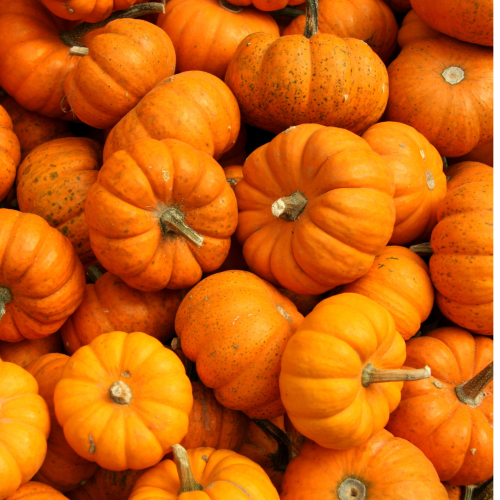
Does pumpkin really help dogs with diarrhoea, or is it another feeding tip that promises more than it delivers? Discover when pumpkin may support firmer stools, why the amount and type of fibre matter, and when adding another spoonful isn’t enough. Plus, learn how to prepare it safely and when your dog needs veterinary advice.
Autumn arrives, pumpkins fill the supermarket shelves, and the same advice starts appearing in dog groups: “Add some pumpkin. It will sort their stomach out.”
If your dog has loose stools, it is understandable that you want something simple to help. But does pumpkin actually help dog diarrhoea?
Pumpkin may support stool consistency in some dogs, but it is not a reliable treatment for every upset stomach. Whether it helps depends on the cause of the diarrhoea, the dog’s existing diet, and the amount and type of fibre they need.
Before reaching for the pumpkin, check how your dog is feeling. If they seem unwell, have repeated vomiting, blood in their stools, or severe watery diarrhoea, contact your vet rather than trying another food addition.
Why is pumpkin recommended for dogs with diarrhoea?
Pumpkin contains a mixture of soluble and insoluble fibre. These have different effects in the digestive tract.
Some fibres help hold water and influence stool consistency. Others add bulk or are fermented by gut bacteria. Fermentation can produce substances that help nourish cells lining the colon.
This is why fibre can be useful in digestive management. But “contains fibre” does not tell us whether a food supplies the right fibre, in the right amount, for a particular dog.
A veterinary review of dietary fibre in gastrointestinal disease highlights that properties such as solubility, fermentability and viscosity matter clinically. That supports taking an individual approach to fibre; it does not establish a universal pumpkin treatment.
When can pumpkin help dog diarrhoea?
Pumpkin may be worth discussing as a small dietary addition when a dog has mild loose stools and is otherwise well, or when their veterinary team has identified a reason to adjust fibre.
Some large-bowel problems, including certain cases of colitis, respond to dietary fibre. However, fibre-responsive diarrhoea is not something owners can reliably diagnose themselves from a photograph of their dog’s poo.
VCA’s guidance on nutrition for dogs with colitis explains that low-, moderate- and high-fibre diets can all be useful, depending on the individual dog.
That is a useful reminder: a dog with diarrhoea does not automatically need more fibre.
If pumpkin appears to help, record what you gave and what changed. Did the stools become firmer? Was your dog still eating normally? Did the improvement last?
A firmer stool is useful information, but it does not prove that pumpkin treated the underlying cause. Mild episodes of colitis that may be stress induced can also settle during the same period.
Why a spoonful of pumpkin may not be enough
Pumpkin has a reputation as a powerful fibre supplement, but the amount provided by a small serving is fairly modest.
Tufts University’s veterinary nutrition article, The Problem with Pumpkin, explains why typical small additions may provide too little fibre to achieve the intended effect. Pumpkin also cannot be assumed to match the fibre profile of a therapeutic diet.
There is a difference between adding a spoonful of a vegetable and using a diet formulated to deliver a particular combination of nutrients for a specific purpose.
If your dog needs targeted fibre support, a measured supplement or an appropriate complete gastrointestinal diet may offer a more controlled approach. Your veterinary team can help decide which is suitable.
Giving more and more pumpkin because the first spoonful did not work is not a sensible treatment plan.
When pumpkin is not enough
When there is an underlying medical cause
Diarrhoea is a symptom not a diagnosis, and several different problems can produce it.
Parasites such as Giardia, infections, pancreatitis, chronic intestinal disease, food intolerances and problems digesting or absorbing food may all need investigation. Pumpkin cannot be relied upon to treat these conditions.
PDSA’s guide to diarrhoea in dogs outlines the range of possible causes and when veterinary advice is needed.
If your dog’s diarrhoea keeps returning, I would rather see a clear history and a sensible investigation than an expanding collection of gut supplements.
When the overall diet needs reviewing
Before deciding your dog needs another topper, look at everything entering the bowl and everything offered between meals.
That includes treats, chews, oils, table scraps and foods used to give medication. Write down quantities as well as ingredients.
Adding pumpkin while changing the main food, introducing a probiotic and stopping several treats makes it difficult to identify what affected the stools. A clear record gives your vet and nutrition professional more useful information.
When a specific therapeutic diet is needed
Some dogs need dietary management that involves much more than added fibre.
Depending on the diagnosis, the priority may be digestibility, fat content, a carefully selected protein source, or a combination of these. VCA’s advice on diets for gastrointestinal upset explains these different nutritional approaches.
Pumpkin does not turn an unsuitable diet into an appropriate therapeutic one.
If a food reaction is suspected, my guide to elimination diets for dogs explains the structured approach. Check before adding pumpkin or any other extra during a prescribed diet trial.
Can pumpkin make dog diarrhoea worse?
It can be an unhelpful addition for some dogs.
Changing fibre intake can alter stool quality, and excessive fermentable fibre can contribute to gas and digestive discomfort. Tufts University’s Fiber Frustrations article explains why the type and quantity of fibre matter.
Large additions can also displace the complete food your dog needs. If your dog starts leaving their main meals because the bowl is filling up with extras, that deserves attention.
If loose stools worsen after introducing pumpkin, stop the addition and seek advice. Do not assume that more pumpkin will eventually solve the problem.
What type of pumpkin can dogs have?
If your vet agrees that pumpkin is appropriate, choose plain cooked pumpkin flesh or canned pumpkin containing pumpkin only.
VCA includes small amounts of plain pumpkin among possible home-care options, while distinguishing it from pumpkin pie filling.
Keep preparation simple:
Remove the stalk, skin and seeds, then cook the flesh until soft and mash it.
Do not add butter, oil, salt, sugar or seasoning.
Check canned products carefully; pumpkin pie filling is a different product.
Use fresh food prepared for eating, rather than an outdoor Halloween decoration.
Check with your veterinary team before adding it to a prescribed diet.
Pumpkin powders and supplements are not interchangeable with cooked pumpkin. Their concentration and other ingredients vary, so a spoonful of one product is not equivalent to a spoonful of another.
How much pumpkin should I give my dog for diarrhoea?
There is no single pumpkin dose I can recommend for every dog with diarrhoea.
Body weight alone does not tell us the cause of the problem, the current fibre intake or whether extra fibre is appropriate. The pumpkin product matters too.
Ask your veterinary team whether an addition is suitable and, if so, for a measured amount, frequency and review point. Record the quantity rather than estimating a heaped spoonful.
Keep fresh drinking water available. The moisture in pumpkin does not replace fluid lost through diarrhoea or treatment for dehydration.
When should you contact your vet?
Contact your vet promptly if diarrhoea lasts longer than 24 hours, keeps recurring, or your dog has an underlying condition. Seek earlier advice for puppies, elderly dogs and dogs taking medication.
Blood or mucus, vomiting, reduced appetite, lethargy, pain or severe watery diarrhoea are reasons to call sooner. Collapse, marked weakness or suspected poisoning need urgent veterinary attention.
Do not wait for pumpkin to work if your dog is deteriorating. PDSA’s when to contact your vet advice provides further guidance.
Need help deciding what to do next?
My free Diarrhea Survival Guide for Dogs covers common causes, practical do’s and don’ts, and when veterinary help is needed.
For dogs with recurring digestive problems, a nutrition consultation can help review the whole diet and build a structured plan alongside your vet.
Pumpkin can have a place in a dog’s diet. What matters is whether it has a useful place in your dog’s management plan.
This article provides general education and does not diagnose or treat medical conditions. Dietary support should complement veterinary care. Seek veterinary advice for persistent or recurrent diarrhoea, or sooner if your dog seems unwell.
