
Top 5 Reasons for Weight Loss in Dogs
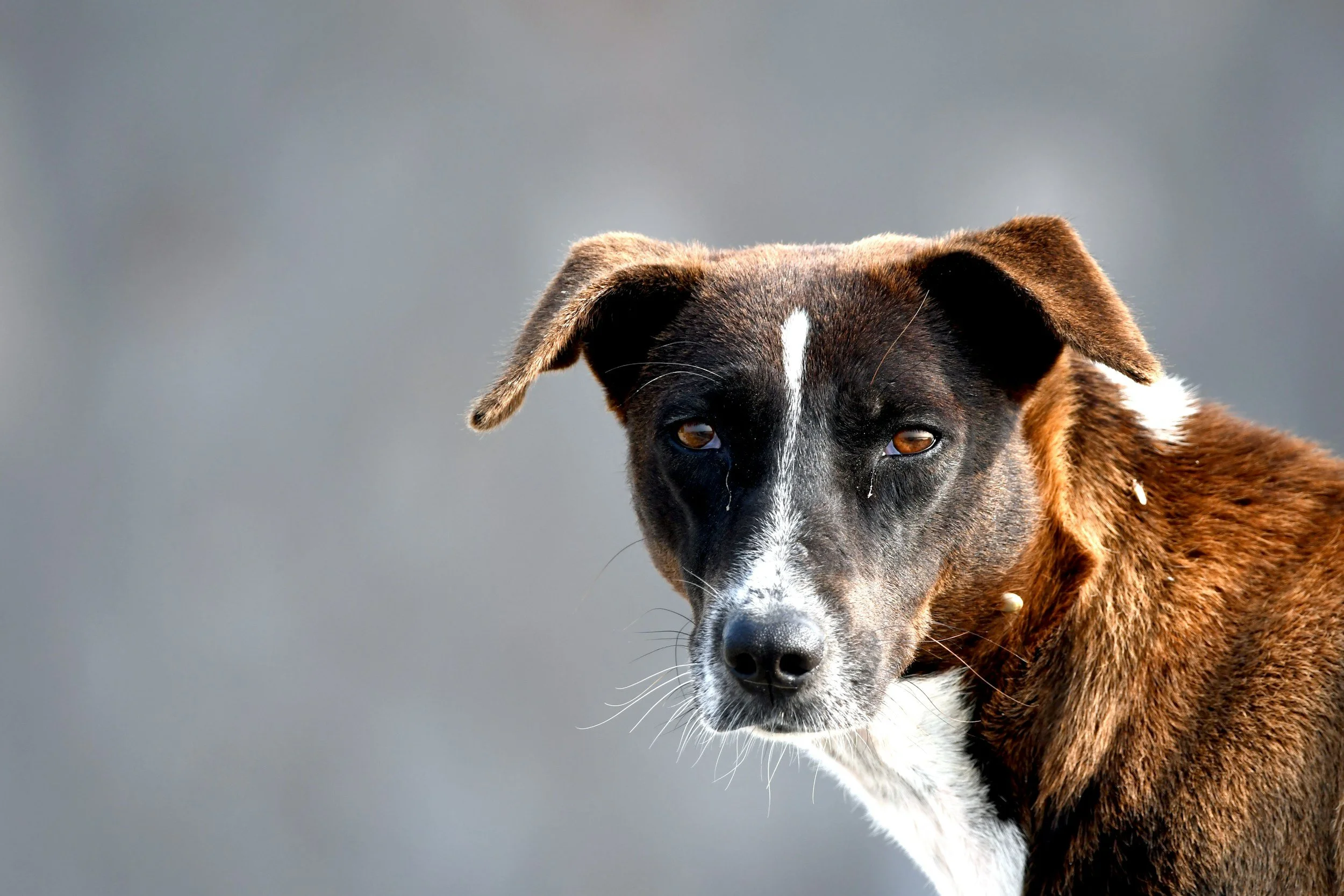
If your dog is losing weight without trying, that is not something to ignore. A little seasonal fluctuation can happen, especially in very active dogs, fussy eaters, or dogs under stress, but ongoing or unexplained weight loss is a symptom, not a diagnosis.
As The Canine Dietitian, one of the biggest mistakes I see is owners assuming weight loss must mean they simply need to feed more food. Sometimes that is true. But sometimes the problem is poor digestion, nutrient loss, chronic disease, pain, or an unsuitable feeding plan. Adding more calories without asking why the dog is losing weight can delay the right help.
In this blog, I’ll take you through the top 5 reasons for weight loss in dogs, what signs to look out for, and when to speak to your vet.
1. Your Dog Is Not Getting Enough Usable Calories
This is one of the most common and overlooked reasons for weight loss in dogs, especially in busy households, multi-dog homes, active breeds, growing adolescents, and dogs fed using rough scoop measurements rather than weighed portions.
Some dogs are simply underfed for their actual needs. Others are eating enough food by volume, but not enough calories. This can also happen when owners dilute the main diet with too many “healthy extras,” feed an unsuitable product, or rely too heavily on generic feeding guides on the back of a packet.
This is particularly common in:
very active dogs
entire dogs
adolescent dogs still filling out
fussy dogs who leave part of meals
dogs moved onto lower-calorie foods
dogs eating lots of vegetables or toppers instead of a properly balanced base diet
Owners often say, “but he eats loads,” when the calories tell a very different story.
Signs this may be the issue
Your dog may otherwise seem bright and well, but gradually looks leaner, feels bonier over the ribs or spine, or seems hungry between meals. There may be no vomiting or diarrhoea, just poor weight maintenance.
What to do
Start with the basics:
weigh your dog regularly
weigh the food accurately
check the calories per 100g or per tray/tin/pouch
review treats, chews, toppers, and scavenging
assess whether the diet is complete and balanced
look at body condition score and muscle condition, not just the number on the scale
If you need help choosing a suitable food, read my blog on how to choose the right dog food.
2. Digestive Disease, Malabsorption, or EPI
Sometimes dogs lose weight even though they are eating well. In these cases, the problem may not be intake — it may be digestion or absorption.
Conditions such as chronic digestive disease, malabsorption, or exocrine pancreatic insufficiency (EPI) can stop a dog from properly digesting and absorbing nutrients. This means a dog can appear hungry, eat enthusiastically, and still lose weight.
Common signs to watch for
chronic or recurrent diarrhoea
large stool volumes
pale or greasy stools
weight loss despite a good appetite
flatulence
poor coat quality
increased hunger
intermittent vomiting in some cases
This type of weight loss should not be brushed off as “just a sensitive stomach.”
What to do
If your dog is eating well but getting thinner, digestive disease needs to be considered. This is where proper veterinary assessment matters. Depending on the case, your vet may recommend faecal testing, blood tests, pancreatic testing, cobalamin checks, imaging, or further GI work-up.
From a nutrition point of view, the right diet depends on the diagnosis. Some dogs do well on highly digestible complete diets, some need low-fat support, and some need a structured elimination approach rather than endless random food changes.
You may also find these blogs helpful:
3. Chronic Disease
Weight loss is a very common symptom of underlying illness. In simple terms, some diseases make dogs eat less, absorb less, lose nutrients, burn more energy, or break down muscle more quickly.
Chronic disease-related weight loss can happen with:
kidney disease
liver disease
diabetes
Addison’s disease
chronic infections
cancer
other systemic disease processes
This is why unexplained weight loss should never be written off as “just ageing” or “just fussiness.”
Other signs that may appear alongside weight loss
increased thirst or urination
vomiting
reduced appetite
lethargy
muscle wasting
poor coat quality
weakness
changes in behaviour
What to do
If your dog is losing weight and just does not seem quite right, a vet check is the next step. Nutrition support can absolutely help, but it works best when it is built around the correct diagnosis rather than guesswork.
For older dogs especially, I’d recommend reading feeding senior dogs: how to keep your ageing companion healthy through nutrition.
You may also want to read does your dog really need a low-fat diet? because some dogs lose weight unnecessarily when placed on restricted diets that are not actually appropriate for them.
4. Dental Pain or Mouth Problems
This is a big one, and it is often missed.
Some dogs are still interested in food, walk over to the bowl, and try to eat — but chewing is painful. Dental disease, mouth ulcers, broken teeth, gum disease, and oral pain can all reduce food intake over time and lead to weight loss.
The tricky part is that many dogs hide oral pain very well.
Signs to watch for
taking longer to eat
dropping food
chewing on one side
preferring softer foods
bad breath
dribbling
reluctance to chew treats
pawing at the mouth
reduced enthusiasm at mealtimes
In these cases, the issue is not necessarily that the dog is “picky.” They may simply be sore.
What to do
Book a dental check with your vet if you suspect oral pain. A softer diet may help temporarily, but it should not replace proper investigation and treatment.
For more on this topic, read my blog on dental powders and chews for dogs: what works, what to avoid, and why brushing is best.
5. Stress, Appetite Changes, or Constant Diet Switching
Not all weight loss starts with disease. Sometimes it starts with stress, appetite disruption, repeated food changes, or chaotic feeding routines.
A dog may lose weight because:
meals are inconsistent
foods are changed too often
owners keep adding extras to tempt appetite
the dog is holding out for toppers or treats
there has been a stressful change in the household
nausea, reflux, or pain is affecting appetite
This is where it gets messy, because some dogs really are selective eaters, but reduced appetite can also be an early sign of an underlying medical problem.
What to do
Look at the whole picture:
has your dog’s routine changed?
are there any digestive signs?
is appetite truly poor or just selective?
is your dog filling up on extras?
could pain, nausea, or oral discomfort be involved?
If the issue looks feeding-related, simplifying the routine can help. But if your dog is losing weight and also has vomiting, diarrhoea, lethargy, or changes in thirst, it is time to get them checked.
These blogs may help if you are in that situation:
When Should You Worry About Weight Loss in Dogs?
You should take weight loss seriously if:
it is unplanned
it is ongoing
your dog is losing muscle
appetite has changed
there is vomiting or diarrhoea
thirst or urination has increased
your dog seems tired, painful, or out of sorts
your older dog is getting noticeably thinner
Rapid weight loss is especially concerning, but gradual weight loss matters too if it is unexplained.
The Bottom Line
The top 5 reasons for weight loss in dogs are not all solved by simply feeding more food.
Sometimes the answer is calories. Sometimes it is digestion. Sometimes it is dental pain. Sometimes it is chronic disease. And sometimes it is a combination of stress, poor appetite, feeding habits, and an unsuitable diet plan.
The most important thing to remember is this:
Weight loss is a symptom, not a diagnosis.
If your dog is losing weight, start by tightening up the basics. Weigh the food, weigh your dog, review the calorie intake, and assess body condition properly. But if the weight loss is unexplained, persistent, or paired with any other symptoms, your vet should be involved.
And once medical causes are being addressed, tailored nutrition support can make a real difference.
If you need help making sense of your dog’s diet, feeding amount, or whether their current food is actually suitable, you can explore my resources and support at The Canine Dietitian.
References
Freeman L, Becvarova I, Cave N, et al. WSAVA Nutritional Assessment Guidelines. Journal of Small Animal Practice. 2011.
https://wsava.org/wp-content/uploads/2020/01/WSAVA-Nutrition-Assessment-Guidelines-2011-JSAP.pdf
Merck Veterinary Manual. Malabsorption Syndromes in Small Animals.
https://www.msdvetmanual.com/digestive-system/diseases-of-the-small-intestine-in-small-animals/malabsorption-syndromes-in-small-animals
Merck Veterinary Manual. Exocrine Pancreatic Insufficiency in Dogs and Cats.
https://www.merckvetmanual.com/digestive-system/the-exocrine-pancreas/exocrine-pancreatic-insufficiency-in-dogs-and-cats
VCA Animal Hospitals. Abnormal Weight Loss in Dogs.
https://vcahospitals.com/know-your-pet/weight-loss-abnormal-in-dogs
VCA Animal Hospitals. Testing for Weight Loss in Dogs.
https://vcahospitals.com/know-your-pet/testing-for-weight-loss-in-dogs
PDSA. Sudden Weight Loss in Dogs.
https://www.pdsa.org.uk/pet-help-and-advice/pet-health-hub/symptoms/weight-loss-in-dogs
BSAVA Library. Weight Loss.
https://www.bsavalibrary.com/content/chapter/10.22233/9781910443361-3e.chap9
If you want help with your dog and their weight gain journey book a Health Condition Consultation HERE NOW
