
Why Do Dogs Eat Grass? A Canine Nutritionist Explains
Why Do Dogs Eat Grass? A Canine Nutritionist Explains
It’s one of those dog behaviours that can make owners stop mid-walk and wonder what on earth is going on.
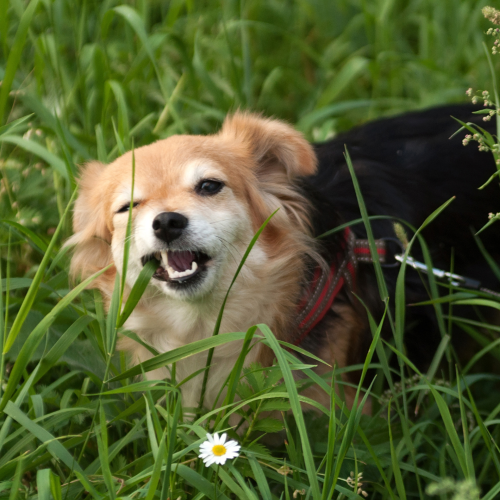
One minute your dog is happily sniffing, trotting and doing very important dog business. The next, they have their head down and are grazing like a small, slightly dramatic cow.
Naturally, many owners worry.
Are they feeling sick?
Are they missing something in their diet?
Are they trying to make themselves vomit?
Is this a sign their food is not good enough?
The honest answer is: sometimes grass-eating means something, but very often it does not.
Grass-eating is a very common behaviour in dogs and why they do it is one of the most common questions I get asked. Research into plant-eating in dogs found that 68% of dogs were reported to eat plants daily or weekly, with grass being the most commonly eaten plant. Interestingly, only 9% were reported to frequently appear ill before eating plants, and only 22% were reported to frequently vomit afterwards.
So, while the “my dog eats grass because they feel sick” explanation is popular, it is not the whole story.
As with most things in dog nutrition and health, context matters.
A dog having the occasional nibble of fresh spring grass is very different from a dog frantically eating grass every morning, vomiting bile, losing weight, or having ongoing diarrhoea (clinical symptoms matter)
Let’s break down why dogs may eat grass, when it is probably nothing to worry about, and when it is worth speaking to your vet.
Is It Normal for Dogs to Eat Grass?
Yes, in many cases, eating grass is normal.
Dogs are not strict carnivores. They are scavenging carnivores with the ability to digest and use a range of nutrients from animal and plant-based foods. That does not mean grass is a meaningful food source for them, but it does help explain why eating the odd bit of plant material is not necessarily unusual.
Some dogs nibble grass occasionally. Others seem to actively seek it out, especially when the grass is fresh, soft, wet, or newly growing.
Many dogs may eat grass simply because it tastes nice, particularly during spring and summer when it is fresh, green and sweet
So before assuming something is wrong, ask:
Is my dog otherwise well?
Are their stools normal?
Is their appetite normal?
Are they maintaining weight?
Are they vomiting regularly?
Is the grass-eating occasional, or is it intense and frequent?
The answers to those questions matter far more than the grass-eating alone.
1. Your Dog Might Simply Like the Taste of Grass
This is probably one of the most underwhelming but realistic explanations.
Some dogs eat grass because they enjoy it.
Fresh grass can be cool, sweet and crunchy. Dogs experience the world through their mouths as well as their noses, so chewing grass may be a sensory experience rather than a medical emergency.
This is particularly common in spring when the grass is fresh and growing. You may notice your dog becoming more interested in grazing after rain, in cooler weather, or in certain areas where the grass is softer.
If your dog has a relaxed nibble, does not vomit, has normal stools, maintains a healthy weight, and is otherwise bright and well, this is usually not something to panic about.
However, I would still avoid letting dogs graze on grass that may have been treated with pesticides, herbicides, slug pellets, fertilisers, or other chemicals. Roadside grass can also be contaminated with pollutants, urine, faeces or parasites.
A little nibble in a safe garden is one thing. A full buffet from a chemically treated public verge is another.
2. Grass-Eating May Be Linked to Digestion — But Not Always in the Way People Think
Many owners believe dogs eat grass to make themselves sick.
Sometimes, grass-eating and vomiting do happen together. But research suggests most dogs who eat grass do not appear ill beforehand and do not vomit afterwards.
That matters because it challenges the idea that dogs are always self-medicating when they graze.
That said, some dogs with digestive discomfort may be more likely to seek out grass. If a dog feels nauseous, has reflux, has excess stomach acid, or has an unsettled gut, they may lick, swallow, gulp, eat grass, or appear restless.
In these cases, the grass-eating is not the diagnosis. It is a clue.
For example, I would be more interested in grass-eating if it happens alongside:
morning bile vomiting
lip licking
gulping
excessive swallowing
burping
diarrhoea
flatulence
bloating
reduced appetite
weight loss
eating soil, stones, or other non-food items
So yes, grass-eating can appear around digestive upset. But we need to avoid assuming grass is the problem or that it is always the dog’s attempt to fix the problem.
The more useful question is: what else is happening with the grass eating?
3. Your Dog May Be Seeking Fibre or Roughage
Grass contains fibre, and fibre can influence gut motility, stool quality and feelings of fullness.
Some dogs fed very low-fibre diets may show more interest in grass, but this does not mean every grass-eating dog is fibre deficient.
There is an interesting case report of a miniature poodle who ate grass and vomited regularly; the behaviour resolved after increasing dietary fibre.
However, one case report does not mean every dog eating grass needs fibre added. It simply means fibre is one possible piece of the puzzle for some dogs.
This is where nutrition nuance matters.
If your dog eats grass and also has firm stools, good appetite, stable weight and no digestive signs, you may not need to change the diet at all.
If your dog eats grass and also has constipation, very small hard stools, hunger, anal gland issues, or irregular bowel movements, then fibre intake may be worth reviewing.
Useful fibre-supporting foods may include small amounts of cooked pumpkin, courgette, carrot, leafy greens, psyllium husk, or a food formulated with appropriate fibre levels. But this should be done carefully, especially if your dog has medical conditions, pancreatitis history, IBD, allergies, or is on a prescription diet. Remember, adding things in isn’t always the answer. If your dog has these issues the best fix is the base diet.
More fibre is not automatically better. The type, amount and reason all matter.
4. Grass-Eating Can Be Behavioural
Not every behaviour has a nutritional explanation.
Some dogs eat grass because they are bored, frustrated, under-stimulated, or looking for something to do.
Dogs Trust notes that eating grass may be linked to boredom or exploration, especially in puppies and dogs who use their mouths to investigate their surroundings.
This is particularly likely if your dog grazes when:
walks are slow or repetitive
they are waiting around
they are under-exercised
they lack enrichment
they are anxious or unsettled
they spend long periods in the garden alone
For some dogs, grazing becomes part of the walk routine. They sniff, nibble, chew, move on, then repeat.
That does not mean they are “naughty” or that you need to drag them away every time. But if the grass-eating is excessive or seems compulsive, it may be worth looking at their overall routine.
Ask yourself:
Are they getting enough sniffing time?
Do they have enough mental enrichment?
Are walks varied and interesting?
Are they eating grass more when stressed?
Do they do it more when left alone in the garden?
Food is not always the answer. Sometimes the answer is more decompression, more sniffing, better enrichment, pain assessment, or behaviour support.
5. Puppies May Eat Grass Out of Curiosity
Puppies explore with their mouths.
Grass, leaves, soil, twigs, stones, socks, your skirting boards — all potentially fascinating.
A puppy nibbling grass is often just investigating the world. However, puppies are also more vulnerable to parasites, tummy upsets, toxic plants and eating things they should not.
If your puppy is eating grass occasionally and is otherwise well, it is usually not a major concern. But if they are obsessively eating grass, vomiting, having diarrhoea, losing weight, or eating lots of non-food items, speak to your vet.
Puppies also have very specific nutritional requirements. If a puppy is eating a lot of grass and is on an unbalanced homemade diet, an inappropriate adult food, or a poorly formulated raw diet, the whole diet needs reviewing properly.
Please do not try to “patch” a puppy diet with random supplements. Growth diets need to be balanced carefully, especially for large breed puppies where calcium, phosphorus, calories and growth rate all matter.
6. Could Grass-Eating Mean a Nutritional Deficiency?
This is the big question many owners ask.
Possibly, but it is not the most likely explanation in a dog who is otherwise healthy and fed a complete, balanced diet.
The idea that dogs eat grass because they are missing a specific vitamin or mineral is widely repeated, but the evidence is not strong.
That does not mean nutrition is irrelevant. It means we should not jump straight to deficiency without looking at the whole dog.
Grass-eating may be more worth investigating nutritionally if your dog is fed:
an unbalanced homemade diet
an 80:10:10 raw diet without proper formulation
a heavily restricted diet
a diet with lots of extras replacing complete food
a poor appetite or inconsistent intake
a food not suitable for their life stage
a puppy food/adult food mismatch
a diet selected mainly because it “looks natural” rather than because it meets nutritional requirements
This is where I will always come back to one of my favourite phrases:
Dogs need nutrients, not ingredient list aesthetics. Check out my blog “
A food can look beautiful and still be unbalanced. A food can sound “natural” and still be inappropriate. A dog eating grass does not automatically mean their food is terrible, but if other symptoms are present, the diet is one area worth reviewing.
When Should You Worry About Your Dog Eating Grass?
Most grass-eating is harmless. But there are situations where it is worth taking more seriously.
Speak to your vet if your dog’s grass-eating is:
sudden and intense
happening daily and obsessively
followed by repeated vomiting
associated with diarrhoea
associated with weight loss
linked with reduced appetite
happening alongside lethargy or signs of pain
accompanied by bloating, retching or restlessness
paired with eating soil, stones, faeces or other non-food items
occurring in a puppy, senior dog, or dog with known medical issues
You should seek urgent veterinary advice if your dog is repeatedly vomiting, unable to keep water down, has blood in vomit or stool, has a swollen abdomen, appears weak, or seems very unwell. PDSA lists constant vomiting, very watery diarrhoea, blood, not eating or drinking, or symptoms not improving within 24 hours as reasons to contact a vet.
Grass-eating itself is rarely the emergency. The symptoms around it are what matter.
Is Grass Safe for Dogs to Eat?
The grass itself is not usually the main concern. The risks are what may be on or around the grass.
Avoid letting your dog eat grass from areas that may contain:
pesticides
herbicides
fertilisers
slug pellets
weed killers
mould
faecal contamination
standing water
unknown plants
sharp grass seeds
roadside pollutants
Grass seeds can also cause problems, particularly in ears, paws and skin. If your dog likes to graze, the safest option is usually a small amount of clean, untreated grass in your own garden — not random long grass from verges, fields or sprayed areas.
Should You Stop Your Dog Eating Grass?
Not always.
If your dog occasionally nibbles clean grass and is otherwise healthy, there may be no need to make it a big issue.
However, I would interrupt or redirect the behaviour if:
the grass may be chemically treated
your dog eats large amounts
they vomit afterwards
they become frantic about it
they are eating unknown plants too
they are grazing instead of walking, sniffing or engaging
they have underlying medical conditions
Try not to yank them away harshly. Instead, use a cheerful cue, scatter a few treats, move them on, or redirect to sniffing and enrichment.
If your dog is obsessively grazing, do not just suppress the behaviour. Work out why it is happening.
How to Use a Grass-Eating Diary
A grass-eating diary can be incredibly useful because it helps you spot patterns.
Instead of guessing, you can see whether the behaviour happens at certain times, after certain foods, before vomiting, during stress, or when your dog has gone a long time between meals.
Here is a simple template you can copy into your notes app.
Grass-Eating Diary Template
Date:
Time:
Location:
Had your dog eaten recently?
What food/treats had they eaten that day?
How much grass did they eat?
Were they frantic or relaxed?
Did they vomit afterwards?
What were their stools like that day?
Any signs of nausea? Lip licking, gulping, drooling, burping, refusing food
Any behaviour changes? Stress, boredom, new routine, new walk, left alone
Any other notes: Weather, fresh cut grass, long grass, new treats, medication, worming, season change
After two to three weeks, you may start to see a pattern.
For example:
grass-eating first thing in the morning may suggest hunger, bile nausea or routine
grass-eating after rich treats may suggest digestive sensitivity
grass-eating on slow walks may suggest boredom or habit
grass-eating with diarrhoea may suggest gut disturbance
grass-eating with weight loss needs veterinary attention
A diary does not replace veterinary care, but it gives your vet or nutrition professional much better information to work with.
Practical Tips to Reduce Grass-Eating
If your dog’s grass-eating seems excessive, these steps may help.
1. Check the basics first
Make sure your dog is fed an appropriate complete diet for their age, size, neuter status and health needs. If your dog is on a homemade or raw diet, make sure it is properly formulated and not just based on ratios or guesswork.
2. Review meal timing
Some dogs with morning nausea or bile vomiting do better with adjusted meal timing, such as a small bedtime feed or splitting food into smaller meals. This should be tailored to the dog, especially if there are weight or medical considerations.
3. Look at fibre carefully
If stools are irregular, your dog is constantly hungry, or they seem to seek roughage, fibre may be worth reviewing. But do not add large amounts suddenly, as this can worsen gas, bloating or diarrhoea.
4. Increase enrichment
If boredom is likely, add more sniffy walks, food puzzles, scatter feeding, training games, appropriate chewing, and calm enrichment.
5. Keep grazing areas safe
Avoid sprayed grass, unknown plants, long grass with seeds, and areas where other animals toilet.
6. Speak to your vet when symptoms are present
If grass-eating comes with vomiting, diarrhoea, weight loss, appetite changes or discomfort, book a veterinary check. Nutrition support is useful, but medical causes need ruling out first.
Final Thoughts: Grass-Eating Is Common, But Context Matters
Grass-eating is one of those behaviours that can be completely normal in one dog and a useful warning sign in another.
Some dogs simply like the taste. Some are exploring. Some are bored. Some may be seeking fibre. Some may be dealing with nausea, reflux or gut discomfort.
The key is not to panic, but also not to dismiss changes.
If your dog is occasionally nibbling grass and is otherwise happy, healthy, eating well, maintaining weight and passing normal stools, it is probably nothing to worry about.
If your dog is suddenly eating lots of grass, vomiting, having diarrhoea, losing weight, seeming uncomfortable or showing other symptoms, speak to your vet.
And if you are unsure whether your dog’s diet is supporting their digestion properly, that is where a nutrition review can be helpful. Not because grass-eating always means the diet is wrong, but because your dog’s food, symptoms, routine and history all need looking at together.
Because as always, dogs are individuals — and the answer is rarely found in one blade of grass.
References
Sueda, K. L. C., Hart, B. L. & Cliff, K. D. (2008). Characterisation of plant eating in dogs. Applied Animal Behaviour Science, 111(1–2), 120–132.
https://www.sciencedirect.com/science/article/abs/pii/S0168159107001827Kang, B. T. & Park, H. M. (2007). A high fibre diet responsive case in a poodle dog with long-term plant eating behaviour. Journal of Veterinary Medical Science, 69(7), 779–782.
https://pubmed.ncbi.nlm.nih.gov/17675815/Blue Cross. Why does my dog eat grass?
https://www.bluecross.org.uk/advice/dog/why-does-my-dog-eat-grassDogs Trust. Why your dog eats grass and what to do about it.
https://www.dogstrust.org.uk/dog-advice/understanding-your-dog/eating-grassPDSA. Gastroenteritis in dogs.
https://www.pdsa.org.uk/pet-help-and-advice/pet-health-hub/conditions/gastroenteritis-stomach-upset-in-dogsPDSA. Vomiting in dogs.
https://www.pdsa.org.uk/pet-help-and-advice/pet-health-hub/symptoms/vomiting-in-dogsPDSA. Diarrhoea in dogs.
https://www.pdsa.org.uk/pet-help-and-advice/pet-health-hub/symptoms/diarrhoea-in-dogsBlue Cross. Grass seeds and dogs.
https://www.bluecross.org.uk/advice/dog/health-and-injuries/grass-seeds-and-dogsBlue Cross. Common dog myths you need to know.
https://www.bluecross.org.uk/advice/dog/common-dog-mythsPDSA. Diarrhoea after a change of food.
https://www.pdsa.org.uk/pet-help
