
Can Dogs Eat Eggs? Raw vs Cooked, Portions & Safety
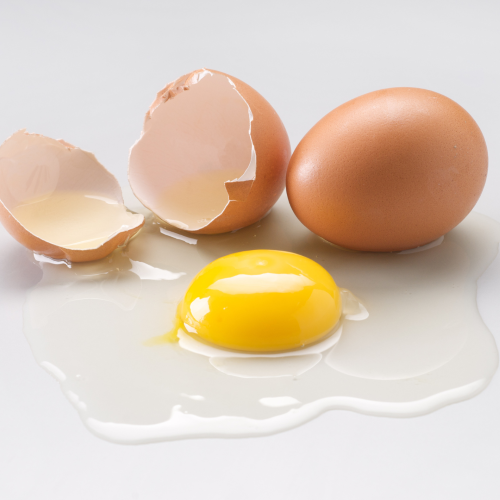
Can dogs eat eggs, and should they be raw or cooked? Find out how to prepare eggs safely, how much to feed, possible side effects and which dogs may need to avoid them, with practical, evidence-based advice from The Canine Dietitian.
Eggs for dogs: can they eat them, and is raw or cooked best?
Yes, most healthy dogs can eat eggs. Plain, thoroughly cooked egg can make a tasty treat or small addition to a meal, provided it fits within their daily calorie allowance.
But eggs are not essential extras, and they are not suitable for every dog. How you prepare them, how much you offer and whether your dog has a medical condition all matter.
If you have seen advice to crack a raw egg over every dinner, or feed eggshells for stronger bones, here is what you need to know.
Are eggs good for dogs?
Eggs provide protein, essential amino acids and nutrients including vitamin B12, riboflavin, selenium and choline. The white provides protein with very little fat, while the yolk contains most of the egg’s fat and several of its vitamins.
That makes eggs a nutritious food, but it does not mean your dog needs them added to every meal.
A complete dog food appropriate for your dog’s life stage should already provide the nutrients they need. Adding an egg does not automatically improve that food, fix an unbalanced diet or treat a skin problem.
I would think of egg as an optional extra that some dogs enjoy. It can also be an ingredient in a properly formulated home-cooked recipe, where its contribution has been calculated.
Can dogs eat raw eggs?
I recommend cooking eggs before feeding them to dogs.
Raw eggs can carry harmful bacteria, including Salmonella. The risk involves both the dog eating the egg and the people handling it or coming into contact with contaminated bowls and surfaces.
There’s no additional benefit to feeding your dog a raw egg Vs a cooked egg but there are more risks.
There is also the frequently discussed issue of avidin. This protein in raw egg white binds biotin, a B vitamin, and can interfere with its absorption. Regularly feeding substantial amounts of raw egg white is more concerning than a single accidental mouthful. It would be misleading to suggest that one raw egg inevitably causes a deficiency. merckvetmanual.com
Cooking reduces avidin’s activity and reduces the bacterial risk. There is no nutritional reason your dog needs their egg served raw.
How should you cook eggs for dogs?
The simplest options are:
Hard-boiled egg, with the shell removed.
Plain scrambled egg, cooked in a non-stick pan without added fat.
Poached egg, cooked until both the white and yolk are firm.
Let the egg cool and cut it into manageable pieces before serving.
Avoid adding butter, oil, salt, cream or cheese. These extras are unnecessary and can add substantial calories or cause digestive upset. Milk may also cause problems in dogs that do not tolerate lactose.
Keep onions, garlic, chives and other unsuitable ingredients out of your dog’s portion. A plain egg and the remains of your breakfast omelette can be very different things.
How many eggs can a dog eat?
There is no single number of eggs per week that suits every dog. A whole egg is a much bigger addition for a small terrier than for a large, active dog.
As a general guide, treats and unbalanced extras should provide no more than 10% of a healthy dog’s daily calories. This includes everything: egg, chews, training treats, dental sticks and other toppers. The remaining calories should come from their complete diet. wsava.org
An ordinary hen’s egg provides roughly 70–90 calories, depending on its size.
A dog eating 400 calories daily has a maximum allowance of about 40 calories for all extras. Half that egg would use the entire allowance. A dog eating 1,000 calories has around 100 calories available, but other treats still count.
These are calorie examples, not individual feeding prescriptions. Ten per cent is a ceiling, rather than a target, and some dogs need tighter restrictions.
Start with a small bite to check tolerance. For a healthy dog that tolerates egg, a little occasionally is usually easier to fit into the diet than automatically adding a whole egg every day.
Can dogs eat eggs every day?
Some dogs can have a small amount daily if it fits their diet and calorie needs. There is no requirement to feed eggs daily, though, and “one egg a day” is not sensible universal advice.
Repeatedly adding substantial extras can lead to weight gain. Replacing too much complete food with egg can also dilute the balance of nutrients in the overall diet.
If egg is already included in a professionally formulated home-cooked recipe, follow the specified quantity. Do not add extra or swap whole eggs for whites or vice versa without checking how that changes the recipe.
Are there any side effects of eggs for dogs?
Possible problems include vomiting, loose stools, wind or abdominal discomfort, particularly after a large portion or sudden dietary change.
Egg can also be a food allergen for an individual dog. Persistent itching, recurring ear problems or digestive symptoms need proper assessment; those signs alone cannot tell you that egg is responsible.
Stop offering egg if it appears to trigger symptoms and speak to your vet. Seek prompt veterinary advice for repeated vomiting, marked lethargy or abdominal pain. Facial swelling or breathing difficulties require urgent attention.
Longer term, the less obvious side effect is extra weight. Small additions can contribute a surprising number of calories when they happen every day.
Which dogs should avoid eggs or have individual advice first?
Dogs with a confirmed egg allergy
Avoid egg if your dog has a confirmed allergy to it. Cooking does not reliably make a food allergen safe for an allergic dog.
Dogs undergoing an elimination diet
Do not add egg unless it is explicitly part of the agreed trial. Even a small amount of an unapproved food can interfere with interpreting the result.
That applies to dogs eating hydrolysed or novel-protein diets for suspected food reactions. A topper can undermine an otherwise carefully followed plan.
Dogs with pancreatitis or prescribed low-fat diets
Whole eggs, particularly the yolks, contribute fat. They may not fit a diet used to manage pancreatitis, hyperlipidaemia or certain intestinal conditions.
Cooked egg white contains very little fat, but that does not make it automatically suitable for every therapeutic diet. Ask your veterinary team before adding it.
Dogs with kidney disease or other therapeutic diets
Eggs are not universally forbidden in kidney disease. However, the amount and type matter: yolks contribute phosphorus, while whites provide protein with relatively little phosphorus.
Whether either belongs in your dog’s diet depends on the condition, test results and overall feeding plan. Avoid improvising additions to renal or other prescribed diets.
Dogs on weight-management plans
Eggs may fit in measured portions, but they need to be included in the calorie budget. Adding them on top of the planned meals can slow progress.
Can puppies eat eggs?
A small amount of plain, cooked egg can suit some puppies once they are weaned and eating solid food.
Their complete growth diet must remain the priority. Puppies have specific requirements for growth, and replacing meals with egg, meat or other extras can upset that balance.
Do not feed raw eggs or add eggshell calcium to a puppy’s complete food.
Can dogs eat eggshells?
Eggshells contain calcium, but dogs eating a complete diet generally do not need extra calcium added.
Shells do not provide a complete mineral supplement or automatically balance a homemade meal. Unmeasured additions can create nutrient imbalances, particularly during growth.
Properly prepared eggshell powder can be used as a calculated calcium source in some formulated recipes. That is a different situation from scattering crushed shells over dinner.
My advice on feeding eggs to dogs
If your dog is healthy, enjoys egg and tolerates it, a small portion of plain, cooked egg can be a perfectly reasonable extra. Keep portions measured and count them alongside all other treats.
Eggs are optional. You do not need to add them to prove you are feeding your dog well.
Want more advice on how to top your dog’s food? Check out our e-book now
If your dog has ongoing digestive symptoms, a medical condition or a prescribed diet, book a nutrition consultation with The Canine Dietitian to discuss additions that fit their individual needs.
This article provides general information and does not replace individual veterinary advice, diagnosis or a tailored nutrition plan.
