
Freeze-Dried Raw Dog Food: What It Is, Pros, Cons and What Dog Owners Need to Know
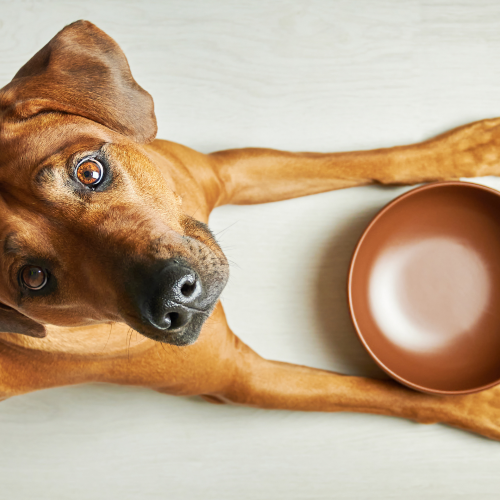
Freeze-dried raw dog food has become increasingly popular with owners who like the idea of raw feeding but want something more convenient than frozen raw. It is often marketed as “minimally processed”, “natural”, “nutrient-dense” and easier to store than traditional raw food.
But is freeze-dried raw dog food actually better for dogs? Is it safer than frozen raw? And how do you know whether it is complete and balanced?
As with most things in dog nutrition, the answer is not as simple as “good” or “bad”. Freeze-dried raw food can be useful for some dogs and owners, but it also comes with important considerations around cost, safety, nutritional balance, storage and marketing transparency.
This blog explains what freeze-dried raw dog food is, the pros and cons, which companies make it, and what to check before feeding it to your dog.
What is freeze-dried raw dog food?
Freeze-dried raw dog food is usually made from raw meat, organs, bone, vegetables, fruits and sometimes added vitamins and minerals. The ingredients are frozen and then placed under low pressure so the water is removed without cooking the food in the traditional sense.
The result is a very dry, lightweight food that can often be stored at room temperature before opening. It may come as nuggets, patties, pieces, powders or toppers. Some freeze-dried raw foods are designed to be fed as a full meal, while others are only intended as toppers or treats.
This distinction matters.
A complete food should meet recognised nutritional standards such as FEDIAF in Europe or AAFCO in the US. FEDIAF publishes nutritional guidelines for complete and complementary pet food for cats and dogs, with the 2025 guidelines now available.
A complementary food, topper or treat is not designed to provide everything your dog needs long-term. It can be useful, but it should not make up the majority of the diet unless the rest of the diet is properly balanced.
Examples of freeze-dried raw (international companies)
There are now several companies making freeze-dried raw, air-dried or dehydrated-style foods. These include:
Primal Pet Foods — Primal offers freeze-dried and frozen raw recipes, including products described as complete and balanced, shelf-stable and designed to be rehydrated before feeding.
Stella & Chewy’s — Stella & Chewy’s produces freeze-dried raw dinner patties and states that many of its freeze-dried raw meals provide complete and balanced nutrition in line with AAFCO nutrient profiles.
Nature’s Variety — Nature’s Variety freeze-dried products are available through some UK retailers, with products marketed as combining raw-style ingredients with the convenience of dry food. Some listings describe them as complete freeze-dried foods for adult dogs.
Natures Menu — Natures Menu is best known in the UK for raw feeding and complete raw products. Some UK retailers list Natures Menu raw freeze-dried foods as complete and balanced, made according to FEDIAF guidelines.
Coya Pet - Coya Pet is relatively new to the UK pet food market. They market their food as complete and balanced but not to FEDIAF guidelines an sell a variety of protein options.
This is not an endorsement of any brand. It simply shows how wide the category has become. Always check the individual product, because one recipe may be complete, while another from the same company may only be a topper.
The potential pros of freeze-dried raw dog food
1. It is convenient compared with frozen raw
One of the biggest appeals of freeze-dried raw food is convenience. Frozen raw needs freezer space, careful thawing, fridge storage and a good hygiene routine. Freeze-dried food is usually lighter, easier to store and easier to travel with.
For owners who want to feed a raw-style diet but struggle with freezer space or mess, freeze-dried food may feel more manageable.
2. It can be highly palatable
Many dogs find freeze-dried foods very tasty. This can make them useful as training treats, food toppers or short-term appetite support for fussy dogs.
However, palatability alone does not mean the food is nutritionally better. Dogs may love high-fat, high-meat foods, but that does not automatically make them the best fit for their digestive system, weight, life stage or medical needs.
3. It may offer ingredient transparency
Some freeze-dried raw brands are very clear about their ingredients, sourcing, meat percentages and nutritional information. This can be a positive thing, especially when compared with vague marketing that does not tell owners much about what is actually in the food.
Good transparency should include:
A full ingredient list
Whether the food is complete or complementary
Life stage suitability
Calories per 100g or per portion
Analytical constituents
Calcium and phosphorus levels, especially for puppies
Whether the recipe meets FEDIAF or AAFCO standards
Clear feeding amounts
Transparency is not just about saying “human grade”, “natural” or “premium”. It is about giving owners enough information to make an informed decision.
4. It is shelf-stable before opening
Freeze-drying removes most of the moisture, which helps preserve the food. This can make storage easier and reduce the need for large freezer space.
That said, shelf-stable does not mean risk-free. Once the pack is opened, it still needs to be stored correctly, sealed properly and protected from moisture.
The cons of freeze-dried raw dog food
1. It’s very expensive per 100g
Freeze-dried raw food is often one of the most expensive ways to feed a dog. Because the water has been removed, the bag may look small but be calorie-dense. This can make price comparisons confusing.
Owners may also need to feed more than expected once the food is rehydrated, especially for medium, large or very active dogs.
For a small dog, freeze-dried food may be affordable. For a Labrador, Rottweiler, German Shepherd or multi-dog household, the cost can become significant very quickly.
When comparing foods, do not just look at the bag price. Compare:
Calories per day needed
Cost per day
Cost per month
Whether it is a full diet or just a topper
Whether you need to add anything else
A food can look expensive per bag but reasonable per day, or affordable per bag but extremely expensive once fed correctly.
2. Freeze-dried raw is still raw
This is the most important safety point.
Freeze-drying removes moisture, but it does not necessarily eliminate all bacteria, viruses or parasites in the way proper cooking can. The FDA warns that raw pet food can carry pathogens such as Salmonella and Listeria, and that these can pose risks to pets and people handling the food.
The AVMA discourages feeding raw or undercooked animal-source protein to dogs and cats because of the risk to pets and humans.
This does not mean every bag of freeze-dried raw food is contaminated. It means the risk profile is different from a cooked or heat-processed food.
Extra care is especially important if there are young children, elderly people, pregnant people, immunocompromised people, or immunocompromised pets in the household.
3. There may be health concerns for some dogs
Freeze-dried raw foods are often high in meat and may be higher in fat than some dogs can tolerate. This may not suit dogs with:
Pancreatitis history
Reflux
Bilious vomiting syndrome
IBD or chronic digestive issues
Fat-sensitive diarrhoea
Certain liver conditions
Certain kidney conditions
Dogs needing weight loss
Puppies, unless the food is properly formulated for growth
For dogs with medical conditions, “raw”, “natural” or “minimally processed” should not be the deciding factor. The nutrient profile matters much more.
For example, a dog with pancreatitis may need a controlled low-fat diet. A dog with kidney disease may need controlled phosphorus. A growing puppy needs carefully balanced calcium and phosphorus. A freeze-dried raw food may or may not meet those needs.
4. Not all products are complete and balanced
Some freeze-dried products are full meals. Others are toppers, treats or mixers.
This is where owners can run into trouble. A product may look like a “food”, but if it is complementary, it should not be fed as the main diet long-term.
Long-term feeding of unbalanced diets can cause nutrient deficiencies or excesses. Reviews of raw feeding have highlighted both nutritional imbalance and infectious disease risk as key concerns with raw meat-based diets.
Before feeding freeze-dried raw as your dog’s main diet, check the label for wording such as:
“This is a complete pet food for dogs.”
or
“Formulated to meet FEDIAF/AAFCO nutritional guidelines for adult maintenance/all life stages/growth.”
If the label says “complementary”, “topper”, “mixer” or “treat”, it should only be used alongside a complete diet.
5. Marketing can be misleading
Freeze-dried raw food is often marketed with phrases like:
“Ancestral”
“Biologically appropriate”
“Human grade”
“No fillers”
“No synthetic vitamins”
“Minimally processed”
“Like nature intended”
Some of these claims may sound appealing, but they do not automatically tell you whether the food is suitable for your dog. Whilost this isn;t a problem with the food itself it can often lead to poor buying decisions based on how companies choose to market.
A food can be “natural” and still be too high in fat. It can be “meat-rich” and still be inappropriate for a dog with kidney disease. It can be “no synthetic vitamins” and still not provide enough iodine, zinc, manganese, vitamin D or vitamin E unless the recipe has been carefully formulated and tested.
The most useful questions are not “Is it natural?” or “Is it raw?”
The better questions are:
Is it complete and balanced?
Is it suitable for my dog’s life stage?
Is the fat level appropriate?
Are calcium and phosphorus appropriate?
Are calories clear?
Has the company done nutritional analysis?
Is there feeding support beyond a generic calculator?
Are safety and pathogen controls explained?
How to store and handle freeze-dried raw dog food safely
Even though freeze-dried raw is more convenient than frozen raw, it still needs careful handling.
Follow the manufacturer’s storage instructions, but generally:
Store unopened bags in a cool, dry place
Keep the bag sealed after opening
Avoid moisture getting into the bag
Wash hands after handling
Wash bowls, scoops and surfaces
Do not let children handle the food
Do not leave rehydrated food sitting out for long periods
Refrigerate any rehydrated leftovers promptly, if the manufacturer allows this
Discard food that smells off, changes texture, becomes damp or is past its use-by guidance
If you rehydrate freeze-dried raw food, treat it more like fresh food than dry kibble.
Is freeze-dried raw better than kibble?
Not automatically.
Freeze-dried raw is often more expensive and less processed, but that does not automatically make it more appropriate. Kibble is not automatically poor quality, and freeze-dried raw is not automatically superior.
The best diet for a dog is one that is:
Complete and balanced
Suitable for their life stage
Appropriate for their medical history
Digestible for that individual dog
Affordable and sustainable for the owner
Fed in the right amount
Safe to store and handle
Some dogs do brilliantly on a complete dry food. Some do well on wet food. Some thrive on cooked food. Some tolerate freeze-dried raw. The format is less important than the formulation, calories, digestibility and suitability for the individual dog.
Who might freeze-dried raw suit?
Freeze-dried raw may suit some dogs as:
A high-value training treat
A travel-friendly food option
A topper used within the 10% treat allowance
A short-term option for dogs who need a highly palatable food
A full diet for carefully selected healthy adult dogs, if the product is complete and balanced
It may be less suitable for:
Dogs with pancreatitis
Dogs with reflux or fat-sensitive digestion
Dogs with kidney disease unless professionally assessed
Puppies unless the food is specifically complete for growth
Immunocompromised dogs
Households with vulnerable people
Owners who cannot manage strict hygiene
Large dogs where cost becomes unrealistic
My professional view
Freeze-dried raw dog food is not something I would describe as automatically good or bad. It is a category of food, and like any category, there are better and worse examples.
My biggest concerns are safety, cost, marketing claims and whether the food is genuinely complete and balanced for the correct life stage.. I would also be cautious using high-meat, high-fat freeze-dried foods for dogs with digestive disease, pancreatitis, reflux, kidney issues or weight problems.
Used carefully, freeze-dried raw can have a place. It may be useful as a topper, treat or convenient option for some dogs. But it should not be chosen because an owner has been made to feel guilty about feeding kibble, wet food or cooked food.
Your dog does not need the trendiest food. They need the right food.
Final checklist before buying freeze-dried raw dog food
Before choosing a freeze-dried raw food, ask:
Is it complete or complementary?
Does it meet FEDIAF or AAFCO guidelines?
Is it suitable for my dog’s age and life stage?
What are the calories per 100g?
What is the cost per day?
What is the fat level on a dry matter basis?
Are calcium and phosphorus listed?
Does my dog have any health condition that makes this unsuitable?
How does the company manage pathogen risk?
Can I store and handle it safely?
If you cannot answer those questions from the label or the company website, that is a transparency issue. i you cannot get the information yo uthen need from an e-mail or a phone call avoid.
Freeze-dried raw food can look very appealing, but good nutrition is not about following feeding trends or what WE feel is appealing as humans. It is about meeting your dog’s needs safely, consistently and appropriately.
Need help working out whether your dog’s current diet is suitable?
If you need help navigating diet and supplements book a consult HERE with me today
