
Why I Don’t Recommend Salmon Oil for Dogs as a Canine Nutritionist
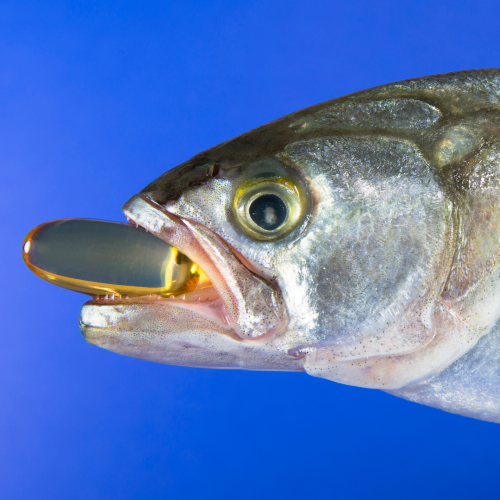
Why I Don’t Recommend Salmon Oil for Dogs
Salmon oil for dogs has become one of those supplements that seems to be recommended for almost everything.
Dry coat? Add salmon oil.
Itchy skin? Add salmon oil.
Joint stiffness? Add salmon oil.
Homemade diet? Add salmon oil.
Picky eater? Add salmon oil.
It is marketed as a simple, natural way to boost omega-3 fatty acids, improve the coat, support the skin and reduce inflammation. But as with many popular dog supplements, the reality is a little more complicated.
As The Canine Dietitian, I do not routinely recommend salmon oil for dogs.
That does not mean omega-3 fatty acids are unimportant. They absolutely are. It also does not mean there are never situations where EPA and DHA supplementation may be useful. For some dogs, under veterinary or nutritionist guidance, targeted omega-3 supplementation may have a place.
But the casual, daily addition of salmon oil to a dog’s bowl is something I am cautious about.
Why? Because salmon oil is not just “a healthy drizzle”. It is a high-fat, calorie-dense oil. It can oxidise. It may not be the best or most controlled way to add omega-3s. It can affect the overall balance of the diet. And for many dogs eating a complete and balanced food, it simply is not needed.
Let’s break down why.
Is Salmon Oil Good for Dogs?
Salmon oil can provide omega-3 fatty acids, mainly EPA and DHA. These are long-chain marine omega-3s that can play a role in skin health, coat condition, joint support and inflammatory pathways.
But that does not mean every dog needs salmon oil.
This is where the pet industry often oversimplifies things. A nutrient being useful does not mean adding more of it is automatically better. Nutrition is about balance, context and dose.
For example, omega-3 supplementation may be considered in some dogs with inflammatory skin disease, osteoarthritis, kidney disease, cardiac disease or other veterinary-managed conditions. But that is very different from adding salmon oil to every dog’s food without knowing if they need it, how much EPA and DHA they are getting, how much fat is being added, or whether the oil is fresh and stable.
Before adding salmon oil, it is worth asking: does your dog really need supplements? Many dogs eating a complete and balanced diet do not need extra oils, powders or daily additions.
Salmon Oil Adds Calories — And They Count
One of the biggest issues with salmon oil is that people often forget it is still an oil.
Oil is pure fat, and fat is the most calorie-dense nutrient we feed. It provides around 9 calories per gram, compared with around 4 calories per gram from protein or carbohydrate.
That means even a small amount of salmon oil can add a meaningful number of calories to your dog’s daily intake.
For a large, active dog this may not seem like much. But for a small dog, a dog prone to weight gain, a neutered dog, a senior dog, or a dog already needing careful portion control, those calories can quickly matter.
This is especially relevant because so many dogs in the UK are already overweight or carrying more body fat than is ideal. Adding extra oil on top of their complete food, treats, chews and toppers can make weight management harder.
And here is the key point:
If you add salmon oil, something else may need to come out.
You cannot simply keep adding extras and expect the diet to stay balanced in calories. If your dog is already eating the correct amount of a complete and balanced food, adding oil increases their total calorie intake unless you reduce something elsewhere.
That may mean reducing their main food, but reducing the main food also reduces the vitamins, minerals, amino acids and essential nutrients that complete food provides.
This is why “just adding a bit of salmon oil” is not always as harmless as it sounds.
Senior dogs, neutered dogs and less active dogs often need tighter calorie control, which is why adding daily salmon oil may work against weight management. You can read more about feeding senior dogs here.
Salmon Oil Is High in Fat
Salmon oil is not just high in calories. It is also high in fat.
For many healthy dogs, fat is not something to fear. Dogs need dietary fat. It provides essential fatty acids, energy and supports fat-soluble vitamin absorption. But more fat is not always better.
Some dogs do not tolerate high-fat additions well. This includes dogs with:
A history of pancreatitis
Sensitive stomachs
Reflux
Bilious vomiting
Loose stools
Inflammatory bowel disease
Lymphangiectasia or some protein-losing enteropathies
Weight issues
Hyperlipidaemia or raised blood fats
Certain endocrine conditions
In these dogs, adding a fatty oil can be unhelpful and, in some cases, risky.
I often see owners adding salmon oil because they think it is “anti-inflammatory”, while missing that their dog is already struggling with fat tolerance. A dog with loose stools, reflux or pancreatitis does not need extra oil added casually to the bowl.
For dogs with a history of pancreatitis, reflux, loose stools or fat intolerance, extra oils can be a poor choice. You can read more about pancreatitis in dogs and nutrition here.
There is also the issue of dose. Many owners use salmon oil without knowing how much EPA and DHA their dog is actually getting. They may follow a pump guide on the bottle, but that does not always mean the amount is appropriate for that dog’s body weight, health condition, current diet or total fat intake.
A supplement can be beneficial in one context and completely inappropriate in another.
Oxidised Oils Are a Real Concern
One of my biggest concerns with salmon oil is oxidation.
Omega-3-rich oils are delicate. They are prone to damage when exposed to oxygen, light and heat. Once oils oxidise, they can become rancid and produce oxidation compounds that are not something I want casually added to a dog’s food every day.
This is not about fearmongering. It is basic fat chemistry.
Fish oils contain long-chain polyunsaturated fatty acids, which are unstable compared with more saturated fats. The very structure that makes omega-3s biologically useful also makes them vulnerable to oxidation.
Oxidation can happen during manufacturing, storage, shipping, sitting on a warm shelf, or being opened and used over time in the kitchen. Once opened, a bottle may be exposed repeatedly to air and light. If it is not stored correctly, or if the product was not high quality to begin with, the risk increases.
A rancid oil is not a health food.
The problem is that many owners have no way of knowing whether the salmon oil they are using is oxidised. Smell can sometimes give clues, but it is not a reliable quality control system. A product can also be partially oxidised before it smells obviously rancid.
Fish oils are prone to oxidation, and oxidative quality can be assessed using measures such as peroxide value and anisidine value. This is one reason I prefer omega-3 supplements that provide proper quality testing rather than generic oils with little transparency.
One study looking at fish oil supplements found that many products did not contain the labelled amount of EPA and DHA and many exceeded recommended oxidation markers, showing why label claims alone are not enough.
This is why, if an omega-3 supplement is genuinely needed, I prefer products that provide proper quality testing, including peroxide value and ideally broader oxidation testing. A good omega-3 product should be able to show evidence of purity, freshness and stability.
Simply buying a bottle of salmon oil because the label looks natural is not enough.
Salmon Oil Is Not Always the Best Way to Add Omega-3
Omega-3 fatty acids are important, but salmon oil is not automatically the best way to add them.
When we talk about omega-3s for dogs, the most relevant forms are usually EPA and DHA. These are the long-chain marine omega-3 fatty acids associated with many of the anti-inflammatory benefits people are aiming for.
Salmon oil can provide EPA and DHA, but the amount varies between products. It can also come with extra calories, high fat levels, oxidation concerns and variable quality control.
There are other ways to add omega-3s that may be more appropriate, depending on the dog and the diet.
For some dogs, oily fish such as sardines or salmon may be a better whole-food option. These provide omega-3s alongside protein and other nutrients, rather than just adding isolated oil. They still need to be portioned carefully, and they are not suitable for every dog, but they can be a more food-based approach.
For dogs who need a non-fish option, algae oil may be useful. Algae oil can provide DHA and sometimes EPA, depending on the product, and it may be a more sustainable option. It can also be useful for dogs who cannot tolerate fish proteins, although product choice still matters.
For dogs needing a therapeutic omega-3 dose, a veterinary-quality omega-3 supplement with testing for oxidation, contaminants and EPA/DHA levels may be more appropriate than a generic salmon oil.
The point is not that omega-3s are bad. The point is that salmon oil is often used as a blunt tool when a more precise approach would be better.
If you are considering fish as an omega-3 source, avoid assuming raw fish is automatically safer or better. I explain the risks in this guide: Can Dogs Eat Raw Fish?
For dogs who tolerate fish well, carefully portioned sardines or salmon may be a more food-based option. You can also browse my healthy dog food and treat recipes for safer ideas.
Vitamin D Levels Matter Too
Another reason I am cautious with fish-based oils and frequent oily fish additions is vitamin D.
Vitamin D is essential for dogs. It plays a role in calcium and phosphorus balance, bone health, muscle function and other physiological processes. But it is also a fat-soluble vitamin, which means excess intake is more concerning than excess intake of many water-soluble vitamins.
Dogs cannot regulate vitamin D from sunlight in the same way humans can, so they rely on dietary intake. Complete dog foods are formulated to include vitamin D within safe nutritional guidelines.
When owners start adding extra fish oils, oily fish, multivitamins, toppers and supplements on top of a complete diet, the overall intake of fat-soluble vitamins can become less predictable.
Not every salmon oil will contain high vitamin D, and levels vary depending on processing and product type. But the wider issue is this: adding fat-based supplements without calculating the whole diet can push the diet away from the balance it was designed to have.
This matters even more in homemade diets.
If a homemade diet is being balanced properly, vitamin D, omega-3s, calcium, iodine, zinc, copper and other nutrients all need to be considered together. You cannot just add salmon oil and assume the diet is now balanced.
A Complete and Balanced Diet Usually Does Not Need Salmon Oil
If your dog is eating a complete and balanced commercial food that is appropriate for their life stage and health needs, they may not need salmon oil at all.
Complete dog foods are designed to provide the essential nutrients dogs require. That includes essential fatty acids. Some foods also include added omega-3 sources already, such as fish oil, salmon oil, algae, fish meal or flaxseed.
Adding salmon oil on top may not improve the diet. It may simply add extra calories and fat.
This is where marketing can be misleading. Owners are often made to feel that a bowl of dog food is not enough unless they add oils, powders, toppers, supplements and extras. But a well-formulated complete food should not need daily “fixing”.
Salmon oil is a good example of how the truth about supplements for dogs is often more complicated than the marketing suggests.
More additions do not automatically mean better nutrition.
In fact, too many extras can dilute or disrupt the diet. If more than around 10% of your dog’s daily calories are coming from treats, chews, toppers and extras, the balance of the complete food may start to matter less because the overall diet has changed.
So before adding salmon oil, ask:
Is there a clear reason?
Is there a known deficiency?
Is there a diagnosed condition where omega-3s may help?
Do we know the dose of EPA and DHA needed?
Does the dog tolerate fat well?
Is the product tested for oxidation and contaminants?
Have the added calories been accounted for?
If the answer is no, salmon oil may not be necessary.
Homemade Diets Need Better Planning Than “Add Salmon Oil”
Homemade diets are a different conversation.
If you are feeding a homemade diet, omega-3s may need to be added intentionally. But that still does not mean salmon oil is always the best choice.
A homemade diet should be properly formulated to meet nutritional guidelines. That includes the right amount of energy, protein, fat, calcium, phosphorus, iodine, zinc, copper, vitamin D, vitamin E, essential fatty acids and more.
Omega-3s are only one piece of the puzzle.
For homemade diets, I may consider options such as:
Sardines
Salmon
Other oily fish
Algae oil
A properly tested omega-3 supplement
A formulated supplement system that accounts for the whole recipe
The best option depends on the dog, the recipe, the fat target, the dog’s health history and the nutrients already present in the diet.
For example, a dog with pancreatitis may need a very different omega-3 strategy from a healthy active dog. A dog with food sensitivities may need a different approach from a dog who tolerates fish well. A dog with kidney disease, IBD, reflux or lymphangiectasia may need a carefully controlled fat and phosphorus intake.
Homemade and raw diets need proper formulation. Simply adding salmon oil does not make a diet balanced, just as an 80:10:10 raw dog food is not complete and balanced by default.
This is why I do not recommend owners randomly adding salmon oil to homemade diets and assuming the diet is now complete.
It is not.
More Omega-3 Does Not Always Mean Better
Omega-3s are often discussed as though they are automatically beneficial at any amount. But nutrition does not work like that.
There is a difference between meeting a requirement, using a therapeutic dose for a specific condition, and adding more because it sounds healthy.
More omega-3 does not always mean better.
High intakes may affect the balance between omega-3 and omega-6 fatty acids. They may increase the need for antioxidants such as vitamin E. They may contribute to gastrointestinal upset in some dogs. They may increase dietary fat beyond what a dog can tolerate. They may also be inappropriate before surgery or in dogs with certain medical considerations unless your vet has advised it.
AAFCO nutrient profile notes include adding extra vitamin E for each gram of fish oil per kilogram of diet, which highlights that adding fish oil is not nutritionally neutral. It can change antioxidant requirements too.
The goal is not to add as much omega-3 as possible. The goal is to provide the right amount, in the right form, for the right dog.
That is very different from adding a pump of salmon oil to every meal because Instagram said it would make your dog shiny.
When Might Omega-3 Supplementation Be Useful?
There are situations where omega-3 supplementation may be considered.
This may include some dogs with inflammatory skin disease, osteoarthritis, kidney disease, certain cardiac conditions or other veterinary-managed conditions. But in these cases, the dose, source and overall diet matter.
A therapeutic omega-3 dose is not the same as a random maintenance drizzle.
Omega-3s can have legitimate therapeutic uses in veterinary nutrition, including some cases involving kidney disease, cardiac disease, skin disease and osteoarthritis, but that does not mean every dog needs casual daily salmon oil.
If your dog has a diagnosed health condition, it is better to work with your vet or a qualified canine nutrition professional to decide whether omega-3 supplementation is appropriate and, if so, which product and dose to use.
That is especially important if your dog has pancreatitis, gastrointestinal disease, liver disease, kidney disease, clotting issues, is on medication, is overweight, or is already on a prescription diet.
If your dog is itchy, biting their paws or has recurring ear problems, salmon oil is not a substitute for a proper investigation. In many cases, an elimination diet for dogs is a more useful place to start.
What I Recommend Instead
For most healthy dogs eating a complete and balanced food, I do not recommend automatically adding salmon oil.
Instead, I recommend looking at the full diet first.
What is your dog already eating?
Is the food complete and balanced?
Is it appropriate for their life stage?
Are they a healthy weight?
Do they have any medical conditions?
How many treats, chews and toppers are being added?
Is there actually a reason to add omega-3?
If omega-3 does need to be added, I prefer a more considered approach.
That may include small, controlled portions of sardines or salmon for suitable dogs. It may include algae oil. It may include a high-quality omega-3 supplement that provides clear EPA and DHA levels and peroxide testing. It may also mean adjusting the rest of the diet to account for calories and fat.
The key is intention.
Supplements should have a purpose. They should not be added because we feel guilty that a complete food looks “boring”.
Helpful Further Reading
If you found this useful, you may also like:
FAQs About Salmon Oil for Dogs
Is salmon oil good for dogs?
Salmon oil can provide EPA and DHA omega-3 fatty acids, but I do not recommend adding it routinely to every dog’s diet. It adds calories and fat, can oxidise, and may not be needed if your dog already eats a complete and balanced food.
Can salmon oil upset a dog’s stomach?
Yes, some dogs may develop loose stools, reflux, nausea or digestive upset from added oils. Dogs with pancreatitis, fat intolerance, IBD or sensitive stomachs need extra caution.
Does my dog need salmon oil if they eat complete food?
Usually not. A complete and balanced dog food should already provide essential nutrients. Adding salmon oil may simply add extra fat and calories unless there is a clear reason for supplementation.
What is better than salmon oil for dogs?
Depending on the dog, better options may include portioned sardines, cooked salmon, algae oil, or a high-quality omega-3 supplement that provides EPA/DHA levels and oxidation testing.
Can too much omega-3 be bad for dogs?
Yes. More omega-3 is not automatically better. High intakes can affect fatty acid balance, increase antioxidant needs, add excess fat, and may be unsuitable for some dogs with medical conditions.
Should I give salmon oil to a dog with pancreatitis?
Do not add salmon oil to a dog with pancreatitis unless your vet or nutrition professional has specifically advised it. Salmon oil is high in fat, and fat levels need to be carefully controlled in pancreatitis-prone dogs.
Final Thoughts: Salmon Oil Is Not a Magic Fix
Salmon oil is not evil. But it is not magic either.
It is a high-fat, calorie-dense oil that can oxidise, vary in quality and disrupt the balance of a diet when used casually. For many dogs eating a complete and balanced food, it is unnecessary. For dogs on homemade diets, there are often better and more controlled ways to add omega-3s.
The biggest message I want dog owners to take away is this:
More supplements do not automatically mean better nutrition.
A shiny coat does not prove a diet is balanced. A pump of oil does not fix an unsuitable food. And omega-3s should be used with thought, not thrown into every bowl as a default.
If your dog has dry skin, itching, dull coat, joint stiffness, reflux, loose stools or any ongoing health issue, do not just reach for salmon oil. Look at the whole diet, the dog’s medical history and whether there is an actual reason for supplementation.
Nutrition works best when it is calculated, balanced and tailored to the dog in front of us.
And sometimes, the most helpful thing we can do is stop adding more.
References
FEDIAF. Nutritional Guidelines for Complete and Complementary Pet Food for Cats and Dogs. 2024.
https://europeanpetfood.org/wp-content/uploads/2024/09/FEDIAF-Nutritional-Guidelines_2024.pdfEuropeanPetFood. FEDIAF Nutritional Guidelines for Cats and Dogs.
https://europeanpetfood.org/self-regulation/nutritional-guidelines/Albert BB, Cameron-Smith D, Hofman PL, Cutfield WS. Oxidation of Marine Omega-3 Supplements and Human Health. BioMed Research International. 2013.
https://pmc.ncbi.nlm.nih.gov/articles/PMC3657456/Albert BB et al. Fish oil supplements in New Zealand are highly oxidised and do not meet label content of n-3 PUFA. Scientific Reports. 2015.
https://www.nature.com/articles/srep07928Lenox CE, Bauer JE. Potential Adverse Effects of Omega-3 Fatty Acids in Dogs and Cats. Journal of Veterinary Internal Medicine. 2013.
https://onlinelibrary.wiley.com/doi/full/10.1111/jvim.12033AAFCO. Dog and Cat Food Nutrient Profiles. 2014.
https://www.aafco.org/wp-content/uploads/2023/01/Pet_Food_Report_Annual_2014-Appendix_A-Revised_AAFCO_Nutrient_Profiles-Final_092214.pdfImprove International. The use of fish oil supplements in small animal veterinary practice. 2024.
https://improveinternational.com/uk/clinical-library/fish-oil-supplements
If you need help navigating diet and supplements book a consult HERE with me today
