
Reasons Your Dog Has Gained Weight: 15 Common Causes Dog Owners Often Miss
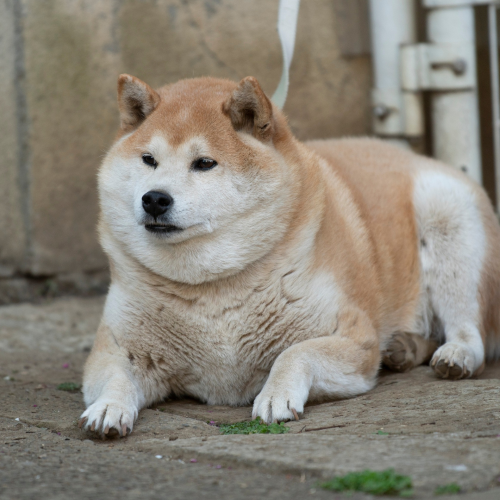
Reasons Your Dog Has Gained Weight
Has your dog slowly become a little rounder around the ribs? Maybe their harness feels tighter, their waist has disappeared, or you have noticed they are panting more on walks. Dog weight gain is incredibly common, but it is also one of the most misunderstood areas of canine nutrition.
Many owners assume weight gain means they are doing something “wrong”, but that is not always fair or helpful. Weight gain usually happens because of a combination of factors: calories, treats, exercise, neutering, age, medical changes, breed tendency, lifestyle and sometimes simple confusion around feeding guidelines.
The important thing is not shame. It is clarity.
A healthy weight matters because carrying excess body fat can affect comfort, mobility, stamina, joint health and overall quality of life. Veterinary professionals use body condition scoring to assess whether a dog is underweight, ideal, overweight or obese, rather than relying on weight alone, because two dogs can weigh the same but have very different body shapes and fat coverage. WSAVA and BSAVA both recommend body condition scoring as part of assessing a dog’s weight and nutritional status.
So, why has your dog gained weight? Let’s look at the most common reasons.
1. They Are Eating More Calories Than They Need
This is the most obvious reason, but also the one people often underestimate.
Weight gain happens when your dog regularly takes in more calories than they burn. That does not mean they are eating huge portions. It may simply mean their daily food, treats, chews, leftovers and extras are adding up to more than their body needs.
A small dog may only need a few hundred calories per day, so a biscuit here, a chew there, a spoonful of yoghurt, a bit of cheese and a training pouch full of treats can quickly become a big percentage of their daily intake.
This is why “they only have a little bit” can be misleading. For a small dog, a little bit can be a lot.
2. The Food Is Not Being Weighed
If you are using a scoop, cup, mug, handful or “about that much” method, your dog may be getting more food than you think.
Kibble density varies between foods. One cup of one food may contain a very different number of calories from one cup of another. Even using the same scoop daily can result in inconsistent portions depending on whether it is level, heaped or packed down.
Weighing food in grams is one of the simplest ways to improve weight control. It does not mean being obsessive. It means taking the guesswork out. My tip with dry fed dogs is to weigh the food out for the day and you know how much you have to work with
If your dog has gained weight and you are not currently weighing their food, this is one of the first places to start.
3. Treats Are Not Being Counted
Treats count.
Training treats count. Dental sticks count. Lick mats count. Chews count. Leftovers count. “Just a little bit of chicken” counts. Even healthy extras count.
One of the biggest mistakes owners make is feeding the main meal correctly but then adding lots of extras on top. A dog can be on a good-quality complete food and still gain weight if the total daily calories are too high.
As a general rule, treats and extras should usually make up no more than around 10% of your dog’s daily calories, unless you are working with a professional who has formulated the diet differently.
This does not mean your dog can never have treats. It means treats need to be part of the plan, not an accidental calorie bonus.
4. Their Feeding Guide Is Too Generous
Dog food feeding guides are a starting point, not a personalised prescription.
The amount on the bag may be based on averages, and your dog may need less than the suggested amount. This is especially true if your dog is neutered, less active, older, prone to weight gain, or already carrying extra weight.
Some feeding guides also provide a wide range. Raw for example gives % of body weight as a way for owners to feed their dogs. Owners often choose the higher end because they worry their dog will be hungry, but that may be too much for their individual dog.
Your dog’s ideal portion should be based on their current weight, life stage, ideal weight, body condition score, activity level, neuter status, health status and calorie intake from all sources.
5. They Have Been Neutered
Many dogs gain weight after being neutered or spayed.
This does not mean neutering automatically makes a dog overweight, but it can reduce energy requirements and may increase appetite in some dogs. If food portions are not adjusted after neutering, gradual weight gain can happen.
This is especially common when a dog is fed the same amount after neutering as they were before.
After neutering, it is sensible to monitor your dog’s body condition, weigh them regularly, and adjust portions if needed. The goal is prevention, because it is much easier to prevent weight gain than to reverse it later.
6. They Are Getting Less Exercise Than Before
Exercise does not have to disappear completely for weight gain to happen. A subtle decrease can be enough.
Maybe the weather has been awful. Maybe you or your dog has had an injury. Maybe your work schedule changed. Maybe walks have become shorter. Maybe your dog used to run off lead and now mostly walks on lead. Maybe they are getting older and naturally slowing down.
Calories may need to change when activity changes.
That said, exercise alone rarely solves weight gain if the diet is still too high in calories. UK Pet Food’s 2024 obesity report notes that increasing exercise can help, but it should be introduced gradually because sudden increases can risk injury.
Weight loss is usually a combination of appropriate calorie control, suitable diet choice, movement, enrichment and monitoring.
7. They Are Getting Older
As dogs age, their energy needs can change.
Some senior dogs become less active, lose muscle, sleep more, or have joint stiffness that affects movement. If they continue eating the same amount they ate as a younger, more active adult, weight gain may follow.
However, senior dogs should not simply be put on a tiny portion of food. Older dogs still need adequate protein, essential fatty acids, vitamins and minerals. Poorly planned restriction can increase the risk of nutrient shortfalls, hunger and muscle loss.
This is where weight loss needs to be done carefully. The goal is fat loss, not just making the number on the scales smaller.
8. Their Breed May Be More Prone To Weight Gain
Some breeds are more likely to gain weight than others.
Labradors, Beagles, Cocker Spaniels, Dachshunds, Pugs, Cavaliers and many small companion breeds are commonly seen struggling with weight management. Genetics, appetite, food motivation, body shape, owner perception and lifestyle can all play a role.
Research has also identified genetic factors linked with appetite and obesity risk in some Labrador Retrievers, including changes affecting appetite regulation.
But genetics are not destiny. A food-motivated dog is not a hopeless case. It just means they may need a more structured feeding plan, lower-calorie treats, careful portion control, appropriate enrichment and a diet that helps them feel satisfied.
9. “Healthy” Extras Are Still Adding Calories
This one catches many owners out.
Foods like salmon oil, peanut butter, coconut oil, cheese, yoghurt, eggs, sardines, liver paste, kefir, bone broth, air-dried treats and natural chews can all be marketed as healthy. Some can be useful in the right context. But they are not calorie-free.
Oil is especially calorie dense. Just a small amount can significantly increase daily calorie intake, particularly for small dogs.
Natural does not mean low calorie. Fresh does not mean weight-loss friendly. High protein does not automatically mean suitable. Grain-free does not automatically mean lean. Raw does not automatically mean better for weight control.
Dogs need the right nutrients and the right calorie intake for their individual body.
10. Dental Chews And Long-Lasting Chews Are Being Forgotten
Dental sticks, yak chews, pizzles, trachea, ears, tendons, raw meaty bones, collagen sticks and other chews can be very calorie dense.
Many owners do not count them because they are not “food bowl food”. But your dog’s body still counts them.
Some chews can contain as many calories as a small meal, depending on the size of the dog and the chew. If your dog has one every day, this could be a major reason for weight gain.
This does not mean all chews need to be removed. But they may need to be reduced, swapped, portioned, or included properly within the day’s calorie allowance.
11. Someone Else Is Feeding Them Too
In multi-person households, calories can quietly multiply.
One person gives breakfast. Someone else gives treats after a walk. A child shares toast. A grandparent gives biscuits. A dog walker uses training treats. A partner adds leftovers because “they looked hungry”.
Everyone thinks they are giving a small amount. Together, it becomes a lot.
If your dog has gained weight, it can help to have a household food rule. For example:
All treats come from one daily treat pot. Once it is empty, that is it for the day.
This keeps everyone involved without accidentally overfeeding.
12. Your Dog Seems Hungry All The Time
Some dogs are incredibly convincing.
They stare. They follow you to the kitchen. They lick the bowl. They nudge your hand. They act like they have never been fed in their life.
But appetite is not always a reliable measure of need. Some dogs will ask for food even when their calorie needs have already been met.
This is where owners often feel guilty and increase the food. But if your dog is gaining weight, their body is already receiving more energy than it needs.
Instead of simply feeding more, it may help to change how food is offered. You might use puzzle feeders, scatter feeding, vegetables as low-calorie volume, smaller meals split across the day, or a suitable weight management food designed to support fullness.
13. Medical Conditions May Be Involved
Not all weight gain is simply about food.
Some medical conditions can contribute to weight gain, changes in body shape, reduced activity, increased appetite or fluid retention. Hypothyroidism, Cushing’s disease, pain, arthritis and some medications can all affect weight or make weight management harder.
If your dog has gained weight suddenly, seems lethargic, is drinking or urinating more, has coat changes, has a pot-bellied appearance, is panting more, or seems painful, it is important to speak to your vet.
A safe weight-loss plan should not ignore potential medical causes.
14. Their Body Condition Has Been Misjudged
Many owners do not realise their dog is overweight until the weight gain is significant.
This is not because they do not care. It is because overweight dogs have become common, and many people are used to seeing dogs carrying extra weight. PDSA’s PAW Report notes that many owners perceive their pets as an ideal weight, while veterinary professionals estimate a large proportion of dogs are overweight or obese.
A healthy dog should usually have ribs that are easy to feel with light pressure, a visible waist from above, and an abdominal tuck from the side. Breed shape matters, but dogs should not feel like a padded tube.
If you are unsure, ask your vet, vet nurse or canine nutrition professional to body condition score your dog.
15. The Diet Is Not Matched To The Dog
Some foods are more calorie dense than others. Some are higher in fat. Some are designed for active dogs. Some are formulated for growth, performance or working dogs. Some fresh or raw diets can be much higher in calories than owners realise.
A diet can be complete and still not be the right match for your dog’s current needs.
For example, a young, intact, highly active dog may do well on a more calorie-dense food. A neutered, lower-activity dog with a tendency to gain weight may not.
This is why weight management is not just about feeding “less”. Sometimes it is about choosing a better-suited food so the dog can eat a reasonable volume while still reducing calories safely.
Why You Should Not Crash Diet Your Dog
If your dog has gained weight, it can be tempting to cut their food dramatically.
Please do not do this without guidance.
Over-restricting can leave dogs hungry, frustrated and at risk of missing essential nutrients. It can also make it harder to preserve lean muscle. Weight loss should be steady, monitored and appropriate for the individual dog.
AAHA nutrition and weight management guidance recommends an individualised approach based on nutritional assessment, including body condition and muscle condition, rather than generic advice.
A proper weight-loss plan should consider:
Your dog’s current weight
Their ideal weight
Weight needed to be lost
Body condition score
Muscle condition
Neuter status
Age and breed
Activity level
Current food and treats
Medical history
Hunger and behaviour
Any medications or health conditions
Weight loss should support health, not simply shrink portions until the dog is miserable.
Signs Your Dog May Need A Weight-Loss Plan
Your dog may benefit from support if:
You can no longer easily feel their ribs
Their waist has disappeared
They have a rounder or barrel-shaped body
Their harness or collar feels tighter
They tire more quickly on walks
They pant more than usual
They struggle to jump, climb stairs or get up
They are gaining weight despite “not eating much”
You feel confused about how much to feed
You have already tried reducing food but they seem constantly hungry
This is exactly where a structured plan can help.
How The Canine Dietitian Can Help
If your dog has gained weight and you are not sure where to start, a weight-loss consultation can help take away the guesswork.
Rather than simply saying “feed less”, we look at what your dog is currently eating, how many calories they are likely getting, whether treats and extras are contributing, whether the food suits their needs, and how to create a realistic plan that works in everyday life.
The aim is not to shame you or put your dog on a miserable diet.
The aim is to help your dog lose weight safely, feel satisfied, protect muscle, support mobility and make the plan manageable for you.
Book A Weight-Loss Consult This May
If your dog has gained weight and you would like expert support, book a Weight Loss Consultation with The Canine Dietitian.
Book in May and use code WEIGHTLOSS for a discount.
Together, we can create a sensible, realistic plan for your dog — one that looks at the whole picture, not just the number on the scales.
