
Fussy Dogs: Signs, 8 Common Causes, What Makes It Worse, and How to Build Better Mealtimes
Fussy Dogs: Signs, 8 Common Causes, What Makes It Worse, and How to Build Better Mealtimes
“Fussy dog” is one of those phrases that gets used a lot. I nfact, it’s one of the main reasons owners will book a consultation with me
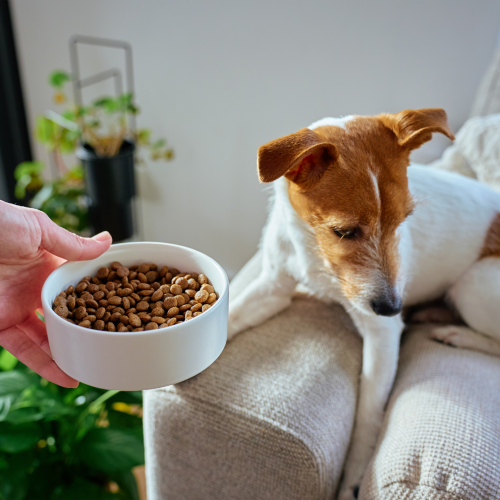
Your dog sniffs the bowl and walks away.
They eat one food for a few days, then decide it is no longer acceptable.
They will happily eat chicken, cheese, treats, chews and whatever falls on the floor, but apparently their actual dinner is offensive.
It is frustrating, worrying and, if we are honest, it’s expensive You buy the food, you try your best, and your dog acts like you have served them a beige plate of disappointment.
But here is the important bit: fussy eating is not always just fussiness, it’s not a diganosis, it’s usually a symptom of something els .
Sometimes it is behavioural. Sometimes it is learned. Sometimes it is linked to pain, nausea, reflux, dental disease, stress, hormones, overfeeding, too many extras, or a feeding routine that has accidentally trained the dog to hold out for something better.
So before we label a dog as “picky”, we need to ask a better question:
Why is this dog not eating reliably?
What do we mean by a fussy dog?
A fussy dog is usually a dog who does not eat their main food consistently, appears selective about what they will eat, or seems to need a lot of encouragement, toppers or food changes to finish meals.
This might look like:
sniffing food and walking away
eating only when hand-fed
eating from the floor but not the bowl
eating treats but refusing meals
only eating if something “better” is added
accepting a new food for a few days, then refusing it
grazing slowly across the day
skipping breakfast but eating later
refusing food in certain rooms, bowls or situations
Some dogs have always been like this. Others suddenly change. That distinction matters.
A dog who has always been a lighter, more selective eater may simply need a better routine. A dog who suddenly stops eating, loses weight, vomits, has diarrhoea, drools, gulps, seems painful, becomes lethargic or misses multiple meals should be checked by a vet.
The top 8 reasons dogs become fussy eaters
Fussy eating is often multifactorial. In many dogs, there is more than one thing happening at the same time.
1. The feeding routine is inconsistent
Some dogs cope well with flexibility. Others do better with predictable structure.
If food is available all day, constantly changed, topped up, moved around, taken away, re-offered, hand-fed, or swapped whenever the dog hesitates, mealtimes can become confusing.
Dogs often learn patterns quickly. If breakfast is optional but snacks arrive at 10am, lunch from the toddler arrives at 12pm, and a dental chew arrives at 3pm, the main meal may not feel particularly valuable.
Structure does not mean being harsh. It means making food predictable, calm and boring in the best possible way.
2. Nausea, reflux or gut discomfort
A dog who wants to eat but then backs away may not be “fussy”. They may feel sick.
Signs that appetite issues may be linked to nausea or reflux include:
lip licking
gulping
grass eating
swallowing repeatedly
burping
eating then walking away
refusing breakfast but eating later
drooling
restlessness at night
vomiting bile
eating cautiously
food aversion after a stomach upset
This is where diet and meal timing can make a big difference, but it is also where veterinary input matters. Appetite change can be a sign of illness. Typically a god going long periods between meals can cause acid reflux and nausea and therefore a lack of desire to eat
3.Dental pain or mouth discomfort
If chewing hurts, eating becomes unpleasant.
Dogs with dental disease may still eat treats, especially soft or high-value ones, but avoid harder kibble or larger meals. You may notice dropping food, chewing on one side, bad breath, pawing at the mouth, reluctance with chews, or a sudden preference for wet food.
Dental pain is often underestimated because many dogs keep eating despite significant oral disease. If your dog’s appetite has changed, their mouth needs to be part of the investigation. Dental pain can happen at any age but if you have a older puppy who’s teeth may not be coming through correctly or a senior that has started refusing food a full dental may be on the cards.
4. Stress, environment or household pressure
Some dogs do not eat well when they feel watched, rushed, crowded, interrupted or unsafe.
This is common in multi-dog homes, busy kitchens, homes with young children, recently rehomed dogs, anxious dogs, adolescent dogs, and dogs who have had negative experiences around food.
A dog may eat better:
in a quieter room
away from other pets
from a plate instead of a bowl
with their back protected
after a decompression walk
when people stop hovering
when food is served in the same place each day
Sometimes the food is not the main issue. The mealtime setup is.
5 . Hormones, adolescence or seasonality
Entire males can go through phases of reduced appetite, especially if there are females in season nearby. Adolescent dogs may also become more distracted, more selective, or less interested in food than they were as puppies. On the other hand females in season may also lose their appetite and keeping an eye on this can stop the immediate “it must the be food” mentality.
Some dogs eat less in hot weather. Some have appetite dips during stressful changes, travel, household disruption or after vaccinations, procedures or medication changes.
Context matters. A temporary appetite dip is different from ongoing food refusal, weight loss or signs of illness.
6. The food genuinely does not suit them
Sometimes the diet itself is part of the problem.
It may be too high in fat, too rich, too large in portion size, too difficult to digest, too boring in texture, too low in aroma, or simply not appropriate for that dog’s needs.
But this does not mean you need to jump from brand to brand every week.
Frequent switching can create more confusion, more digestive upset and more selective behaviour. A better approach is to assess the dog properly: health, weight, calories, treats, routine, stool quality, symptoms, feeding environment and current food.
Dogs need the right nutrients, calories and feeding strategy — not just a prettier bowl.
7. Underlying health conditions
Before we assume a dog is “just fussy”, we need to consider whether there is an underlying health issue affecting their appetite.
Lots of medical conditions can make dogs more selective, nauseous, uncomfortable around food, or reluctant to eat their usual meals. This is especially important if the change is sudden, your dog is older, they have lost weight, or they are showing other symptoms such as vomiting, diarrhoea, drinking more, weeing more, lethargy, lip licking, grass eating, drooling or changes in behaviour.
Health issues that may affect appetite include:
kidney disease
liver disease
pancreatitis
inflammatory bowel disease
reflux or nausea
dental disease
pain
infections
hormonal conditions
side effects from medication
cancer or systemic illness
Kidney issues are a really important example. Dogs with kidney disease may feel nauseous, have a reduced appetite, become more selective, drink more, lose weight, or seem interested in food but then walk away. In these cases, simply swapping foods or adding lots of toppers is not the answer. The dog may need veterinary assessment, blood and urine testing, and a diet that is appropriate for their kidney stage, phosphorus levels, protein needs, symptoms and overall health.
This is why a sudden or ongoing appetite change should not be dismissed as fussiness. A “picky” dog may actually be a dog who feels unwell.
If your dog’s appetite has changed, they are skipping meals, losing weight, vomiting, drinking more, or seeming nauseous, speak to your vet before trying to fix it with food changes alone. The right diet can be incredibly helpful, but only when we understand what we are actually supporting.
What makes fussy eating worse?
Fussy eating often gets worse because of the things we do with good intentions.
Constant food changes
Changing food every few days can teach the dog that something new is always coming. It can also make it harder to know whether the food suits them.
Adding more and more extras
A small topper can be fine. But if the topper becomes the only reason the dog eats, you may end up reducing the balance of the main diet while increasing calories, fat or digestive triggers.
Leaving food down all day
Free-feeding can work for some dogs, but for many selective dogs it reduces mealtime value. Food becomes background furniture.
Panic feeding
When owners are understandably worried, they may offer ten different foods in one day. Chicken, cheese, ham, yoghurt, treats, wet food, kibble, broth, sausages.
The dog may eat something, but now the pattern is even messier.
Ignoring symptoms
If a dog is fussy because they feel sick, have reflux, dental pain, gut disease or another health issue, behaviour tips alone will not fix the root cause.
When should you speak to your vet?
Speak to your vet if your dog’s appetite change is sudden, persistent, unusual for them, or comes with other signs.
Red flags include:
not eating for 24 hours
repeated vomiting or diarrhoea
weight loss
lethargy
pain
drooling
coughing or gagging
difficulty swallowing
drinking much more or less
refusing food after previously eating well
appetite changes in puppies, seniors or dogs with health conditions
Dogs Trust advises contacting your vet if appetite changes are persistent or out of character, especially with signs such as vomiting or diarrhoea, and to speak to a vet if your dog misses more than two meals.
Diet and feeding strategy: what actually helps?
1. Work out how much food your dog really needs
Before changing the food, check the calories.
Look at:
your dog’s ideal weight
neuter status
age
activity level
body condition score
treats and chews
training rewards
toppers
leftovers
dental products
A dog who is maintaining or gaining weight while refusing meals is probably getting enough calories from somewhere.
2. Create a simple feeding structure
For many fussy dogs, I like a calm, predictable routine:
two or three set meal times split between 8-10 hours apart (even over night)
food offered in a quiet place
no hovering or fussing
bowl lifted after 15–20 minutes
no immediate upgrades if they refuse
treats reduced while appetite resets
consistent food for long enough to assess it
This is not about starving the dog. It is about removing the mealtime drama.
3. Make the food easier to eat/more platable
Simple changes can help without turning dinner into a buffet.
Try:
adding warm water
lightly warming wet food
using a plate instead of a deep bowl
mashing wet and dry together
feeding away from other pets
using a non-slip mat
offering smaller portions more often
choosing an appropriate texture
Aroma is a major part of food acceptance, and warming food slightly can make it smell more appealing. Just avoid making food hot.
4. Stop feeding from the emotional panic zone
This is the hardest part.
When your dog refuses food, it is easy to feel rejected or frightened. But if every refusal triggers stress, pleading, hand-feeding and five new food options, the dog may become even more uncertain.
A calm approach works better.
Offer the meal.
Give space.
Remove it if untouched.
Try again at the next planned meal.
Monitor weight, symptoms and energy.
Seek veterinary advice if the pattern is new, worrying or persistent.
Frequently asked questions
Is my dog manipulating me?
Not exactly. Dogs learn what works. If refusing food leads to chicken, cheese or a new flavour every time, they may repeat the behaviour. That is learning, not spite.
Should I hand-feed my fussy dog?
Sometimes, short term, especially if a dog is recovering from illness, anxious, elderly or struggling. But if hand-feeding becomes the only way they eat, it may be maintaining the problem. if your dog has injuries or struggles to eat from the floor you could consider a risen bowl such as The Easy Eat Raised Pet Bowl
Should I switch to raw or fresh food?
Not automatically. A dog eating a new food enthusiastically for a few days does not prove the old diet was bad or the new diet is better. Novelty and palatability are powerful. The question is whether the diet is complete, balanced, suitable and sustainable.
Can dogs get bored of food?
Some dogs do seem to enjoy variety, but true “boredom” is often over-assumed. Many cases are actually health issues, learned selectivity, gut discomfort, stress or too many extras.
What if my dog only eats treats?
Then treats need to be reviewed as part of the diet, not seen as separate from it. If a dog will eat treats but not meals, look at calories, routine, training habits and whether refusal is being rewarded.
The bottom line
A fussy dog is not always just a fussy dog.
Sometimes they are overfed.
Sometimes they have learned to wait for better.
Sometimes the routine is confusing.
Sometimes the environment is stressful.
Sometimes they feel sick.
Sometimes their mouth hurts.
Sometimes the diet genuinely does not suit them.
The goal is not to force your dog to eat. It is to understand why eating has become difficult, inconsistent or dramatic — and then build a plan that supports both nutrition and behaviour.
If your dog is otherwise well, a calmer routine, fewer extras, appropriate calories and a suitable complete food can make a huge difference.
If your dog’s appetite has changed suddenly, they are losing weight, showing symptoms, or you feel something is not right, please speak to your vet.
Need More Help With Your Fussy Dog?
If your dog’s eating habits are becoming stressful, inconsistent or confusing, complete The Canine Dietitian’s FREE Diet Assessment Form and receive a taster report within 48 working hours.
You could look at downloading the Fussy Eaters E-book for £6.99 to give you a full plan to trial before booking a consult
For more personalised support, book an Everyday Nutrition Consultation if your dog has no diagnosed health condition, or a more detailed nutrition consultation if there are symptoms, medical concerns or ongoing digestive issues.
