
Pancreatitis in Dogs: Causes, Symptoms, Diagnosis and Diet Support
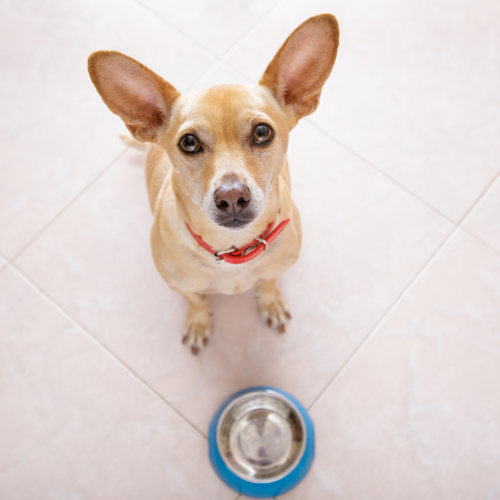
Pancreatitis in Dogs: What Owners Need to Know
Pancreatitis in dogs can be frightening, confusing and, in some cases, very serious. One minute your dog seems fine, and the next they may be vomiting, refusing food, hunched in pain or needing urgent veterinary care.
As a canine nutritionist, I often speak to owners after a pancreatitis flare who feel terrified to feed anything at all. They are told “low fat” but not always what that actually means, how long it applies for, or how to compare fat levels properly between dry food, wet food, fresh food and home-cooked diets.
And this is where things get messy.
Because “low fat” on the front of a bag or tin does not always mean low fat when you actually calculate it properly. A wet food that says 5% fat may sound lower than a dry food that says 12% fat, but once you remove the moisture and compare them on a dry matter basis, that wet food may be far higher in fat than you think.
So let’s break pancreatitis down properly: what it is, what causes it, the symptoms to watch for, how vets diagnose it, and how to navigate diet during recovery and beyond.
What Is Pancreatitis in Dogs?
The pancreas is a small but very important organ that sits near the stomach and small intestine. It has two main jobs.
First, it produces digestive enzymes that help break down food, especially fat, protein and carbohydrates. Second, it plays a role in hormone production, including insulin, which helps regulate blood sugar.
Pancreatitis means inflammation of the pancreas. In simple terms, the pancreas becomes irritated and inflamed, and those digestive enzymes can become activated too early. Instead of helping digest food in the gut, they can start irritating and damaging the pancreas itself and surrounding tissues.
Pancreatitis may be acute, meaning it comes on suddenly, or chronic, meaning there is ongoing or repeated inflammation over time. Some dogs recover well from one episode. Others may have repeated flare-ups or have an underlying condition that needs long-term management.
Common Symptoms of Pancreatitis in Dogs
Pancreatitis can look different from dog to dog. Some dogs show dramatic symptoms, while others may only seem “off” for a few days.
Common signs include:
Vomiting
Diarrhoea
Loss of appetite
Nausea or lip licking
Abdominal pain
Hunched posture or “praying position”
Lethargy
Fever
Weakness
Dehydration
Restlessness or discomfort
Weight loss in chronic cases
Some dogs may stretch their front legs forward and keep their back end raised, almost like a play bow. This can be a sign of abdominal pain.
Pancreatitis can become serious quickly, so if your dog is vomiting repeatedly, refusing food, seems painful, collapsed, weak, dehydrated or very flat, they need veterinary attention urgently.
What Causes Pancreatitis in Dogs?
One of the frustrating things about pancreatitis is that the exact trigger is not always clear. In many cases, owners never get one neat answer.
However, there are several known risk factors.
1. High-fat meals or sudden fatty treats
A classic trigger is a sudden high-fat meal. This might be roast dinner leftovers, sausages, bacon, cheese, buttery foods, fatty meat trimmings, skin from chicken, or rich table scraps.
Some dogs can tolerate the odd rich treat. Others really cannot. For a dog prone to pancreatitis, one fatty meal can be enough to trigger a flare.
2. Obesity
Dogs carrying excess weight may be at higher risk. Obesity can also make recovery harder because it is linked with inflammation, altered fat metabolism and other health issues.
3. Breed predisposition
Some breeds appear more prone to pancreatitis or related fat metabolism issues. Miniature Schnauzers are a classic example, especially because they may be predisposed to hyperlipidaemia, which means high levels of fat in the blood.
Other breeds that may be overrepresented include Yorkshire Terriers, Cocker Spaniels, Poodles and some terrier breeds, although pancreatitis can occur in any dog.
4. Hyperlipidaemia
Hyperlipidaemia means raised triglycerides or cholesterol in the blood. This can increase pancreatitis risk and may mean the dog needs a stricter long-term fat-controlled diet than a dog who had a single mild episode after eating something inappropriate.
This is one reason why blanket diet advice does not always work. A dog with normal blood fats and one mild flare may not need the same long-term diet as a dog with repeated pancreatitis and hyperlipidaemia.
5. Endocrine disease
Conditions such as diabetes mellitus, Cushing’s disease and hypothyroidism may be associated with pancreatitis or fat metabolism issues. If a dog has repeated episodes, your vet may want to investigate whether another health condition is contributing.
6. Certain medications
Some medications have been associated with pancreatitis in dogs, although this is something your vet would need to assess based on your dog’s individual history.
7. Dietary change or scavenging
Sudden diet changes, bin raiding, eating discarded food on walks, or getting into very rich foods can all cause digestive upset and may contribute to a flare in susceptible dogs.
How Is Pancreatitis Diagnosed in Dogs?
Pancreatitis cannot be diagnosed properly from symptoms alone because vomiting, diarrhoea, appetite loss and abdominal pain can be caused by many different conditions.
Your vet may use a combination of:
Clinical examination
Blood tests
Pancreatic lipase testing, such as cPLI or Spec cPL
Ultrasound
Assessment of hydration, pain and overall stability
Additional tests if another disease is suspected
Blood tests may show signs of inflammation, dehydration, changes in liver enzymes, electrolyte abnormalities or other concerns. Pancreatic lipase tests can be useful because they look more specifically at pancreatic inflammation, but no test is perfect in isolation.
Ultrasound can help assess the pancreas and surrounding organs, but pancreatitis can still be present even if the pancreas is difficult to see or changes are subtle.
Diagnosis is usually about putting the whole picture together: symptoms, examination findings, blood results, imaging and response to treatment.
How Is Pancreatitis Treated?
Treatment depends on severity. Mild cases may be managed with medication, pain relief, anti-nausea support and a carefully controlled diet. More serious cases may need hospitalisation, intravenous fluids, stronger pain relief and close monitoring.
The key veterinary priorities are usually:
Controlling pain
Managing nausea and vomiting
Correcting dehydration
Supporting nutrition
Monitoring for complications
Identifying any underlying disease or risk factor contributing
Diet is important, but it is only one part of management. A dog in pain, vomiting or refusing food needs veterinary care, not just a food change.
Diet and Pancreatitis: Why Low Fat Matters
Fat is usually the main dietary focus in pancreatitis because fat digestion stimulates pancreatic activity and can delay stomach emptying. This is why veterinary low-fat diets are commonly recommended during recovery.
In the early recovery phase, many dogs do best on a highly digestible, low-fat diet fed in smaller, more frequent meals. This reduces the digestive workload and can help ease the transition back to eating.
For many dogs, this may mean a veterinary gastrointestinal low-fat diet, at least initially. For others, a carefully formulated home-cooked diet may be appropriate, but it needs to be balanced properly, especially if used for more than a few days and monitored by a veterinary nutritionist.,
What Fat Percentage Should Dogs with Pancreatitis Have?
This is where we need to be careful, because fat can be measured in different ways.
For dogs recovering from pancreatitis, a common practical target is:
Low fat: around 10–12% fat on a dry matter basis
Very low fat: under 10% fat on a dry matter basis, often used for dogs with hyperlipidaemia, repeated pancreatitis or more severe fat intolerance
Moderate fat: may be appropriate for some dogs later on, especially if there is no ongoing fat intolerance, no hyperlipidaemia and the dog needs more calories
Some veterinary sources also discuss fat in terms of grams per 100 kcal or grams per 1,000 kcal, which can be even more useful because it considers calories, not just percentages.
As a rough guide, dogs with pancreatitis are often kept below around 3–3.5g fat per 100 kcal during recovery, with stricter targets for dogs with hyperlipidaemia or repeated flares.
But the right target depends on the dog.
A 14-year-old Miniature Schnauzer with high triglycerides, repeated pancreatitis and weight issues may need a very different plan from a young dog who had one mild episode after stealing a tray of sausages and no other repeated issues.
Why Fat Must Be Compared on a Dry Matter Basis
Pet food labels can be misleading if you compare them “as fed”.
“As fed” means the food as it comes in the packet, tin, tray or pouch, including moisture.
Dry food usually contains around 8–10% moisture. Wet food may contain 70–80% moisture. That means wet food is mostly water, so the fat percentage on the label can look deceptively low.
To compare foods fairly, you need to remove the moisture and look at the nutrients on a dry matter basis.
Dry Matter Formula
To calculate fat on a dry matter basis:
Fat ÷ Dry Matter × 100 = Fat on a dry matter basis
Dry matter is:
100 - moisture percentage
Example 1: Wet Food
A wet food label says:
Moisture: 78%
Fat: 5%
Dry matter = 100 - 78 = 22%
Fat on dry matter basis = 5 ÷ 22 × 100 = 22.7%
So that “5% fat” wet food is actually around 22.7% fat on a dry matter basis.
That is not low fat for a dog with pancreatitis.
Example 2: Dry Food
A dry food label says:
Moisture: 10%
Fat: 12%
Dry matter = 100 - 10 = 90%
Fat on dry matter basis = 12 ÷ 90 × 100 = 13.3%
So the dry food is 13.3% fat on a dry matter basis.
Even though the dry food says 12% fat and the wet food says 5% fat, the dry food is actually much lower in fat when compared fairly.
This is why I always encourage owners to look beyond the front of the label.
Why Wet Food Might Not Be as Low Fat as You Think
Wet food can be brilliant for some dogs. It can help with hydration, palatability and satiety, and many dogs love it. But for pancreatitis, you cannot assume wet food is low fat just because the label says 3%, 4% or 5% fat.
Because wet food contains so much water, the fat looks diluted.
This is why some “light” or “sensitive” wet foods may still be too fatty for a dog recovering from pancreatitis.
It does not mean wet food is bad. It means you need to calculate it properly.
Why a Continuously Very Low-Fat Diet Might Not Always Be the Answer
This is the part that often gets missed.
Low fat can be very useful during recovery. For some dogs, especially dogs with hyperlipidaemia or recurrent pancreatitis, long-term fat restriction may be essential.
But not every dog needs to stay on an extremely low-fat diet forever.
Fat is not just “bad”. Dogs need some dietary fat for:
Essential fatty acids
Absorption of fat-soluble vitamins A, D, E and K
Skin and coat health
Hormone function
Energy
Palatability
Maintaining body condition
If fat is restricted too heavily for too long without proper formulation, some dogs may struggle with poor coat quality, weight loss, hunger, low calorie intake or an unbalanced diet.
The goal is not to remove fat completely. The goal is to find the lowest level needed to control symptoms while still meeting the dog’s nutritional needs.
For dogs with a history of pancreatitis, diet should be individualised. Some dogs need strict lifelong low fat. Others may recover and later tolerate a moderate-fat, highly digestible diet, especially if the original trigger was a one-off dietary accident. Check our our other blog that discusses if your dog needs a low fat diet
Diet During Pancreatitis Recovery
Always follow your vet’s advice first, especially if your dog has been hospitalised or is on medication.
Once your dog is ready to eat, the diet is usually:
Low fat
Highly digestible
Complete and balanced if fed beyond the short term
Fed in small, frequent meals
Introduced gradually
Free from fatty treats, table scraps and rich toppers
Small meals are often better tolerated than one or two large meals. For example, a recovering dog might do better with 4–6 small meals per day at first, then gradually return to their normal meal pattern as they stabilise.
What Foods Are Usually Avoided?
For dogs recovering from pancreatitis, it is sensible to avoid:
Bacon
Fatty mince ( over 7% fat)
Chicken skin
Duck skin
Oily leftovers
Butter or cream
Fried foods
Rich gravy
High-fat treats
Fatty chews
Marrow bones
High-fat raw diets
Sudden diet changes
Even small extras can matter. A dog may be eating a suitable low-fat main diet but still flare because of cheese used for tablets, fatty training treats or Sunday roast leftovers.
What Can Dogs Eat After Pancreatitis?
Suitable options depend on the dog, but commonly used foods may include:
Veterinary gastrointestinal low-fat diets such as Royal Canin Low Fat GI
Carefully selected low-fat complete foods
Lean white fish
Skinless chicken breast
Turkey breast
Very lean beef mince, if tolerated
Egg whites
Rice
Potato
Sweet potato
Pasta
Pumpkin
Low-fat formulated home-cooked diets
However, a home-cooked diet of chicken and rice is not complete and balanced. It may be useful for a very short period under veterinary guidance, but it should not become the long-term plan unless properly formulated.
Treats for Dogs with Pancreatitis
Treats are often where pancreatitis diets accidentally go wrong.
If your dog is recovering from pancreatitis, keep treats simple and low fat. Options may include:
Tiny pieces of cooked chicken breast
White fish flakes
Cooked turkey breast
Plain rice cakes in small amounts
Small pieces of cooked potato
Low-fat veterinary treats if appropriate
Homemade low-fat biscuits designed for dogs
Avoid cheese, peanut butter, fatty meat treats, dried liver in large amounts, pigs ears, trachea, marrow bones and rich commercial treats unless your vet or nutrition professional has confirmed they are suitable.
Treats still count towards daily calories. As a general rule, treats should stay within 10% of your dog’s daily calorie intake, and in pancreatitis-prone dogs, they need to fit the fat target too.
What About Raw Feeding and Pancreatitis?
Many raw diets are naturally high in fat, especially if they contain fattier cuts, skin, lamb, duck, tripe, oily mince or high-fat ratios. Some raw diets may also be difficult to assess properly because full nutritional data is not always available.
For a dog with pancreatitis, this is a problem.
It is not enough to say a food is “natural” or “species appropriate”. You need to know the actual fat content, the calorie density, whether it is complete and balanced, and whether the dog can tolerate it.
In pancreatitis-prone dogs, I would be very cautious with high-fat raw diets, recreational bones, fatty offal and rich raw treats.
When Might a Dog Need Long-Term Low Fat?
Long-term low-fat feeding may be appropriate when a dog has:
Recurrent pancreatitis
Hyperlipidaemia
Miniature Schnauzer-type fat metabolism issues
Ongoing fat intolerance
Diabetes alongside pancreatitis
Obesity requiring weight management
Certain gastrointestinal conditions
A history of severe pancreatitis
In these cases, the aim may be to keep fat consistently low and avoid fluctuations. Sudden fatty extras are often more problematic than owners realise.
When Might a Dog Not Need Lifelong Very Low Fat?
Some dogs have one acute flare after a clear trigger, such as eating a very fatty meal, and never have another episode. Once recovered, they may not need an ultra-low-fat diet forever, although they may still benefit from avoiding very fatty foods and sudden dietary changes.
In these cases, the long-term plan might be a highly digestible, moderate-low fat diet that keeps the dog stable without being unnecessarily restrictive.
This decision should be made based on:
Severity of the pancreatitis
Repeat Blood results
Triglyceride/cholesterol levels
Body condition
Other medical conditions
Symptom history
Response to diet
Veterinary advice
How to Navigate Diet After Pancreatitis
If your dog has had pancreatitis, I usually suggest thinking in phases.
Phase 1: Acute recovery
This is the strict phase. Follow your vet’s plan. Use a low-fat, highly digestible diet. Avoid all extras unless approved.
Phase 2: Stabilisation
Once symptoms settle, keep the diet consistent. Do not rush to change foods or add toppers. Monitor appetite, stools, nausea, weight and energy. this stage will be different for all dogs but do not rush it. 8-12 weeks is a good starting point but always consult your vet.
Phase 3: Review
Ask whether your dog needs lifelong strict fat restriction or whether a slightly broader diet may be possible. This is where blood results, history and breed risk matter.
Phase 4: Long-term plan
The long-term diet should be complete and balanced, suitable for your dog’s weight and health conditions, and realistic for you to feed consistently.
This may be a veterinary diet, a carefully selected commercial diet, or a properly formulated home-cooked plan.
Final Thoughts
Pancreatitis in dogs is not something to guess your way through. It can be painful, serious and sometimes recurring. Diet plays a huge role, but “low fat” needs to be understood properly.
The biggest takeaways are:
Fat should be compared on a dry matter basis, not just as-fed label percentages.
Wet food may be much higher in fat than it looks.
Low fat is often important during recovery.
Some dogs need lifelong fat restriction, but not every dog needs an ultra-low-fat diet forever.
Fat should not be removed completely because dogs still need essential fats.
Treats, toppers and table scraps matter.
The best diet is one that matches your dog’s history, symptoms, blood results and tolerance.
If your dog has had pancreatitis and you feel overwhelmed by what to feed, you are not alone. This is exactly the kind of case where a properly reviewed diet plan can make life much clearer.
References
Cridge, H. et al. (2021). Advances in the diagnosis of acute pancreatitis in dogs. Journal of Veterinary Internal Medicine.
A detailed review of how pancreatitis is diagnosed in dogs, including pancreatic lipase testing, ultrasound and the challenges of diagnosis.
Read hereKim, J.K. et al. (2024). A comparative analysis of canine pancreatic lipase tests for the diagnosis of canine pancreatitis. Journal of Veterinary Science.
Discusses the use of Spec cPL, SNAP cPL and Vcheck cPL tests for diagnosing and monitoring pancreatitis in dogs.
Read hereMitchell, L. et al. (2024). Serial monitoring of pancreatic lipase immunoreactivity, C-reactive protein, and abdominal ultrasonographic findings in dogs with suspected acute pancreatitis. Journal of Veterinary Internal Medicine.
Explains how diagnosis is based on clinical signs, cPLI testing and abdominal ultrasound, and why results can vary over time.
Read hereXenoulis, P.G. et al. (2011). Serum triglyceride concentrations in Miniature Schnauzers with and without a history of probable pancreatitis. Journal of Veterinary Internal Medicine.
Found that Miniature Schnauzers with a history of pancreatitis were five times more likely to have hypertriglyceridaemia than controls.
Read hereXenoulis, P.G. et al. (2010). Association between serum triglyceride and canine pancreatic lipase immunoreactivity concentrations in Miniature Schnauzers. Journal of the American Animal Hospital Association.
Supports an association between severe hypertriglyceridaemia and raised canine pancreatic lipase in Miniature Schnauzers.
Read hereU.S. Food & Drug Administration. Complete and Balanced Pet Food.
Explains why guaranteed analysis values are listed on an as-fed basis and why nutrients need to be converted to a dry matter basis for meaningful comparison.
Read hereVeterinary Partner / VIN. Pancreatitis in Dogs.
Provides veterinary guidance on pancreatitis, recurrence risk and the importance of appropriately low-fat diets in affected dogs.
Read hereSPECIFIC. Diets for Dogs with Pancreatitis.
Gives practical fat guidance for pancreatitis diets, including 10–15% fat on a dry matter basis and lower levels for more severe cases or dogs with hyperlipidaemia.
Read herePet Food Institute. What Is Guaranteed Analysis?
Explains how guaranteed analysis is used on pet food labels and why dry matter basis is important when comparing wet and dry foods.
Read hereToday’s Veterinary Practice. Diagnosing Acute Pancreatitis in Dogs.
Outlines why pancreatitis diagnosis can be difficult and how vets use clinical signs, serology, ultrasound and response to treatment together.
Read here
